25 Fun Facts About Lithuania: The Ultimate Guide for Curious Travelers
Reading Time: 11 minutes
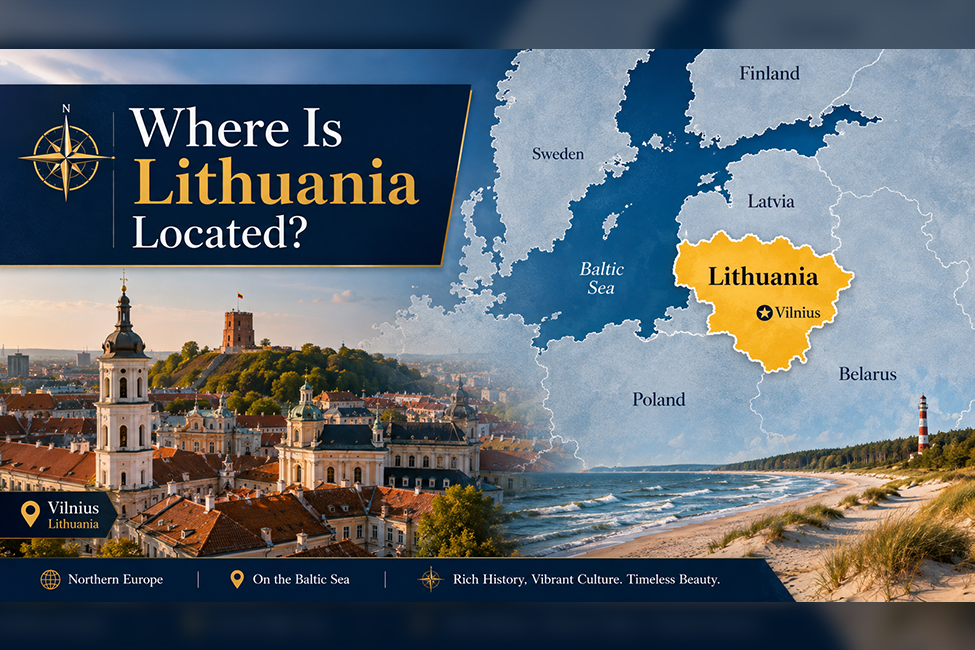
Are you planning a European holiday to explore historic destinations with your family this summer? If you are looking for a destination with vast forests, deep-rooted traditions, and vibrant city markets, Lithuania is a strong choice. This Baltic country in Northern Europe, set along the Baltic Sea, offers a calm yet culturally rich experience for travelers.
While many travelers choose crowded destinations in Western Europe, others are now heading north to discover Lithuania. The country offers a distinctive cultural experience with a balance of history and nature. Visitors can explore the streets of Vilnius, walk through forest landscapes, or relax along the Baltic coastline.
Lithuania Culture Facts and Traditions
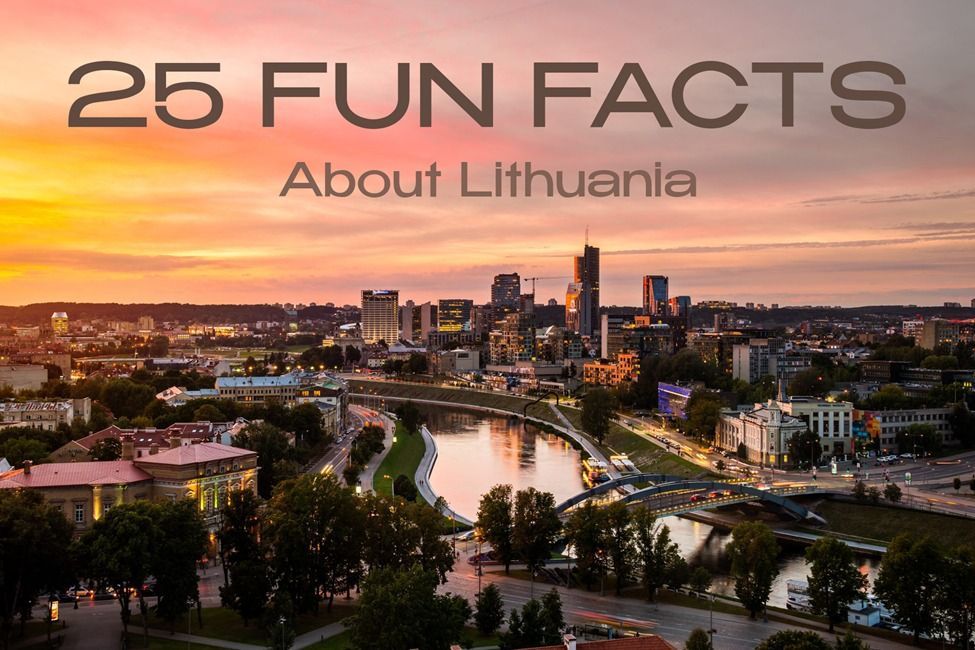
1. Lithuanian Is One of the Oldest Living Languages in the World
Learning about this language is one of the most interesting facts about Lithuania for many travelers. This language belongs to the old Baltic family and preserves many ancient linguistic features.
Linguists note this local speech sounds a lot like Sanskrit, which is an old language from India. Other European tongues changed over time, but the proud people of Lithuania kept their old words safe.
2. The Last Country in Europe to Accept Christianity
This nation was officially the last country in Europe to adopt Christianity in 1387. For a long time, old Baltic tribes followed nature-based beliefs, holy trees, bright fires, and many old gods.
Most local families are Catholic today, but they still remember these ancient stories from a long time ago. You can see old nature symbols in local paintings, traditional wooden crafts, and traditional festivals across the land.
3. Pagan Traditions Still Thrive in Modern Celebrations
Lithuanians have preserved nature-based beliefs for centuries, making their traditions distinct within Europe. A great example is a traditional winter festival called Užgavėnės, which helps chase away the snow and cold air.
During this traditional party, people wear traditional wooden masks and eat a large number of tasty hot potato pancakes. At the end of the night, they burn a large straw figure named Morė to welcome spring weather.
4. Mid summer Night Is Covered in Pure Magic
Another long-standing tradition is Joninės, a midsummer celebration observed on the longest day of the year when daylight extends late into the evening.
On this warm night, families walk into the dark woods and stand close to the cool running rivers. They build large bonfires, sing folk songs, and throw flower wreaths into the moving water. Old stories say that young lovers who find a mythical fern flower will get good luck forever.
Lithuania Culture Facts and Traditions
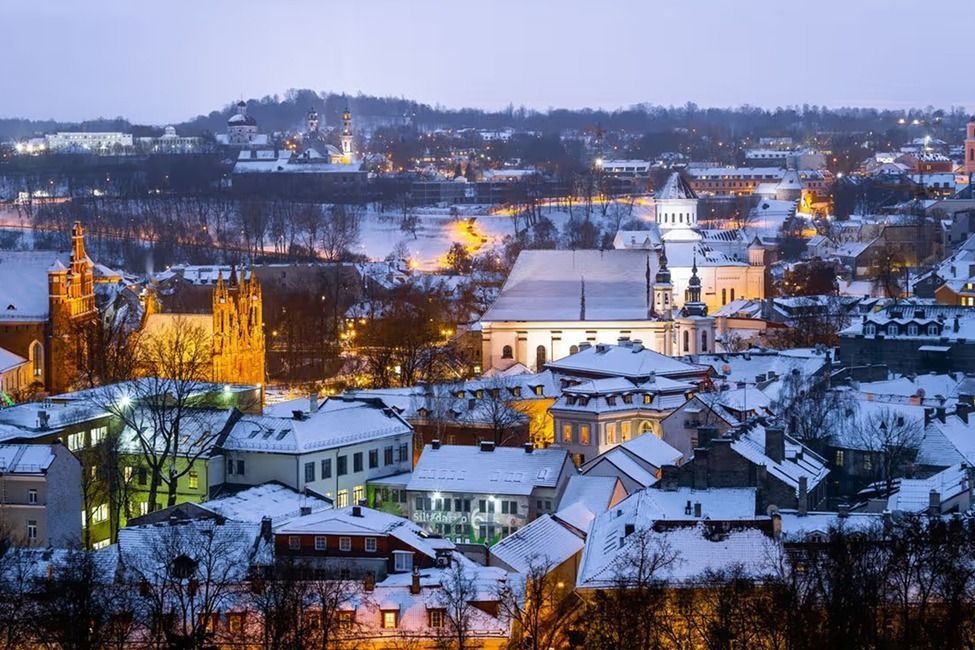
5. Lithuania Was Once the Largest Country in All of Europe
Lithuania looks small on today’s map, but its past tells a different story. In the 14th century, Lithuania’s leaders expanded their land through wars and alliances. At that time, the grand empire went from the cold Baltic Sea all the way down to the Black Sea. This land included areas that people now call Belarus, Ukraine, Poland, and parts of western Russia. Visiting old places like Trakai Island Castle helps you understand how much power these old Baltic leaders had.
6. The World’s First National Constitution in Europe
Lithuania shares an important legal history with its neighbour, Poland. In the year 1791, the leaders of both lands wrote an important paper called the May 3 Constitution. This constitution was an important step toward fair laws and rights for citizens. It was the first written constitution in Europe and the second oldest one in the whole wide world. It proved to everyone that this European region cared deeply about freedom, fair voting, and helpful government ideas.
7. The Powerful Healing Legend of the Iron Wolf
Every single grand capital city has a fun old story Vilnius has a fierce one. Grand Duke Gediminas once went hunting in the forests. After a long day of hunting, he fell asleep and had a big dream about a wolf. This large iron wolf was made of hard iron and it howled as loudly as one hundred real wolves. A wise old priest told the leader that the wolf meant he must build a strong city there.
8. The First Republic to Break Free from the Soviet Union
When you look at modern facts about Lithuania, on March 11, 1990, the Lithuanian nation became the first republic to leave the old Soviet Union. This important event changed everything in Europe and helped many other small countries get their own free borders later. The local citizens stood up for their fair laws without using any dangerous guns or military tanks. They used international laws and a strong national spirit to win back their free country.
9. They Won Their Complete Freedom Through Singing
The path to winning back their free country is known around the world as the Singing Revolution. Instead of using bad weapons or violent tools, thousands of regular people stood together in the public squares. They held hands tightly and faced military tanks while singing old patriotic songs and folk tunes. This peaceful and musical fight showed the world that unity and peaceful resistance can influence political change.
10. A Human Chain That Stretched Across Three Nations
One of the most natural moments of peaceful protest happened in the summer of 1989 across the Baltics. An estimated two million people joined their hands together to make a long human chain across Europe. These people connected the main cities of Vilnius, Riga, and Tallinn during the afternoon. This natural event showed the world that all three Baltic countries wanted to have their own free lands.
Lithuania Geography and Nature Facts
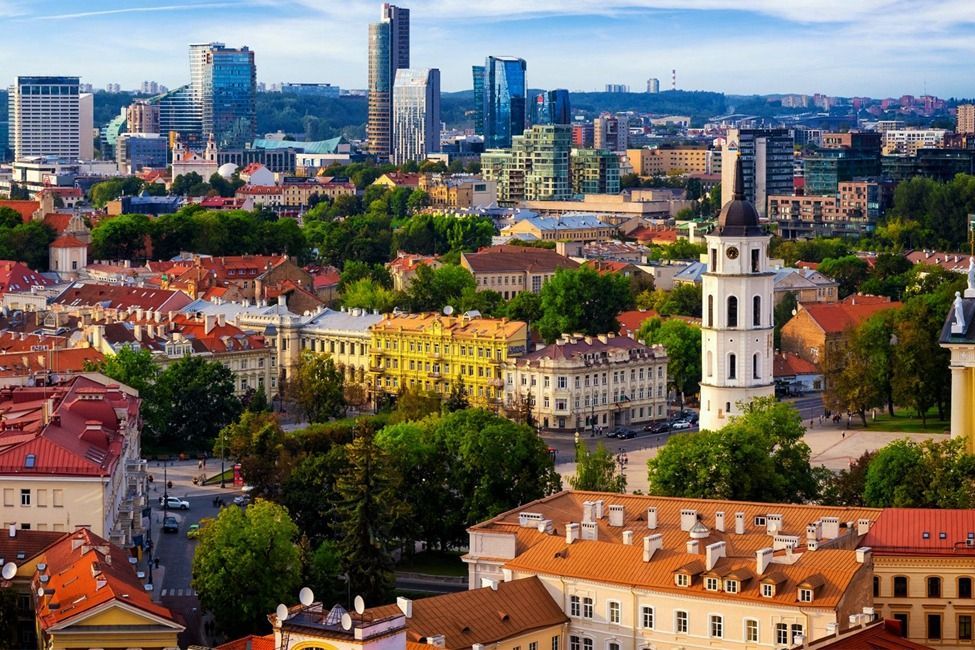
11. Lithuania Holds the Exact Geographical Centre of Europe
This is one of those surprising facts about Lithuania that most tourists do not know before they visit. In the year 1989, expert scientists from France conducted a detailed study about the European continent.
They measured all the borders carefully and found the exact middle spot right inside this notable country. This special coordinate sits just a short drive north of Vilnius near a small village called Purnuškės. Now, travelers can visit a designated site with a tall white stone column to mark this unique spot.
12. A Third of the Country Is Covered in Lush Forests
About 33% of the total country is covered by wild trees, national parks, and protected green spaces.
These old woods are safe homes for large animals like European bison, big moose, wild pigs, and grey wolves. Local families love the wild forests and they enjoy looking for wild berries and mushrooms during the weekend. The government keeps these woods clean so visitors can enjoy the quiet peace of nature during their stay.
13. The Legend of the Moving Sahara Dunes
One of the most historic natural spots in all of Northern Europe is called the Curonian Spit. This is a thin strip of sand that keeps the lagoon safe from the Baltic Sea.
This place has some of the tallest moving sand hills in Europe and is a UNESCO site. For many years, the blowing sand covered up old fishing towns and forced people to build new homes. Today, it is a quiet vacation spot with pine forests, wooden statues, and natural water views.
14. The National Bird That Brings Joy to Rural Homes
When you drive a car through the quiet countryside, you will see bird nests on old barns. These big nests belong to the white stork, which is the official national bird of this notable land.
This country has more white storks than almost any other place across the whole European continent these days. Local people believe that a stork nest on your roof brings good luck, peace, and babies to families.
Modern And Unique Facts About Lithuania
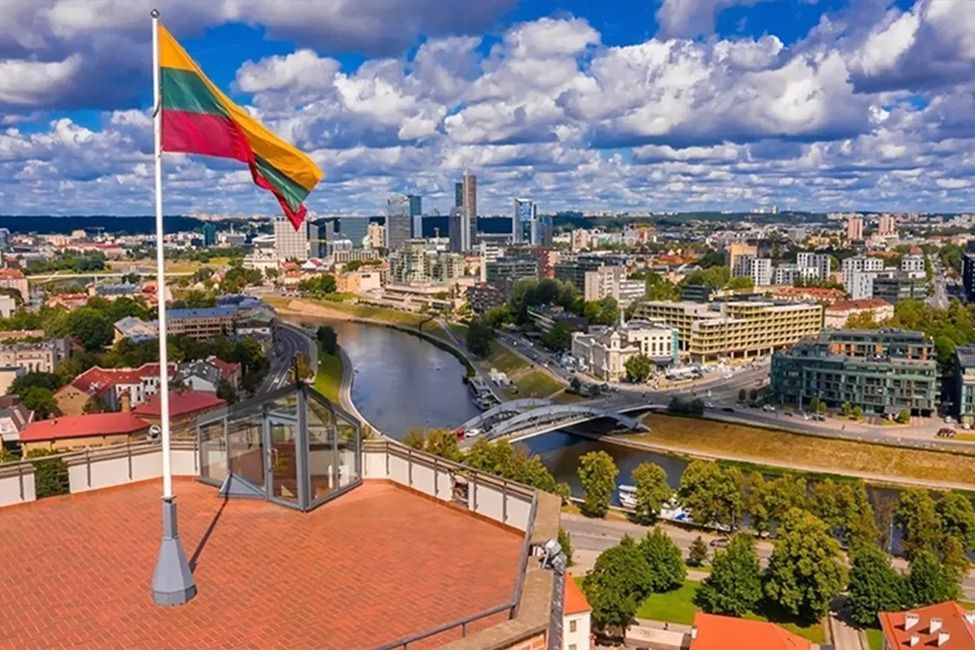
15. The Independent Republic Within a Capital City
If you like creative culture and unconventional traditions, you must visit a cool neighborhood called Užupis. This unique district sits inside the city of Vilnius and is separated by a small running river. On April Fools’ Day in 1997, the local artists said their neighbourhood was a free country.
They made a new flag, printed traditional money, and wrote a constitution with many kind laws. You can read these silly rules on public walls in many languages when you walk down the street. One rule says that every dog has a right to be a dog, which makes travelers laugh out loud.
| Feature of Užupis | Description |
|---|---|
| Independence Day | April 1st (Celebrated annually with mock border checkpoints) |
| Famous Constitution Law | “Everyone has the right to make mistakes.” |
| The Republic’s Symbol | An open palm with a hole in the centre, symbolizing transparency. |
16. The Only Nation with Its Own Official Scent
When you want to know unique facts about Lithuania, this story will surprise you. This is the only country on Earth that made a real perfume to capture its national identity.
This official bottle is called “The Scent of Lithuania,” and it was created by smart perfume makers. It smells like wild red raspberries, valley flowers, old oak trees, and smoke from cozy wood fires.
17. A High-Tech Startup Hub with Global Reach
While rooted in history, it is also a very fast leader in modern technology. Lithuania is a top place for new computer companies because it has super-fast internet and skilled professionals.
For example, a famous clothes shopping app named Vinted was started by young friends in the capital city. The popular internet safety company Nord Security also keeps its main office right inside the busy capital city.
18. Hot Air Balloons Regularly Drift Right Over the Capital
In most major cities, flying big balloons over tall downtown buildings is against the law for safety reasons. However, the leaders of Vilnius allow colorful hot air balloons to fly right over the center.
On clear summer nights, you can look up and see dozens of giant balloons floating above old churches. If you want a great view, you can take a ride to see the red roofs from high above.
Lithuania Food and Culture Facts
19. The National Dish Shaped Like a Wartime Zeppelin
You cannot truly understand Lithuanian culture facts until you try the food that local grandmas cook. The most famous national food is called cepelinai, which means flying zeppelins in the local language.
These are giant, heavy balls made from grated potatoes and stuffed with seasoned meat or fresh wild mushrooms. Local cooks boil them in hot water and serve them with sour cream and salty bacon pieces. The dish got its traditional name because the potato balls look exactly like old German airships from history.
20. Cold Pink Soup Is the Ultimate Summer Treat
If you visit this country when the weather is hot, you will see bright pink soup everywhere. This famous cold meal is called šaltibarščiai and it is a refreshing treat for lunchtime.
Cooks make this dish by mixing purple beets, cold buttermilk, green cucumbers, fresh onions, and dill. The healthy beet juice turns the white milk into a bright pink color. Restaurants always serve this cold soup with a side of hot baked potatoes covered in sea salt.
21. Basketball Is Viewed as a Second Official Religion
If you talk to a local person about sports, you will see that basketball is a passion. After winning their freedom, the national team won many bronze medals at the global Olympic Games.
This sport helped the small country show its grand power and proud name to the whole wide world. Great players like Arvydas Sabonis became famous stars in America and around the globe for their skills.
22. Tree Cakes That Look Like Spiky Castles
At big wedding parties and Christmas dinners, the most important dessert is a cake called šakotis. This traditional bakery treat looks like a tall spiky pine tree or a cool little medieval castle.
To bake it, a chef drops egg batter onto a spinning metal pole over a hot fire. As the liquid spins around, it creates long, crunchy spikes that taste like butter cookies. It takes many hours of hard work to make this traditional cake for a happy family feast.
Lithuania Travel Facts for Tourists
23. A Sacred Hill Covered in Over 100,000 Crosses
There is a cultural place near a northern city called the famous Hill of Crosses (Kryžių Kalnas). This small hill is covered with more than 100,000 wooden crosses left by people from all over.
When bad soldiers ruled the land long ago, they destroyed this holy hill with machines three times. Today, it stands as a symbol of peace, deep faith, and the strength of human love.
24. Vilnius Boasts One of Europe’s Largest Baroque Old Towns
The historic center of the main city is a masterpiece of old European building styles. This area is a UNESCO site because it is one of the largest old towns in Europe.
When you walk down the narrow stone paths, you will see churches from a long time ago. The city is very clean, safe, and filled with small local cafes and great local food spots. It is the perfect place to explore on foot with a camera during a sunny afternoon trip.
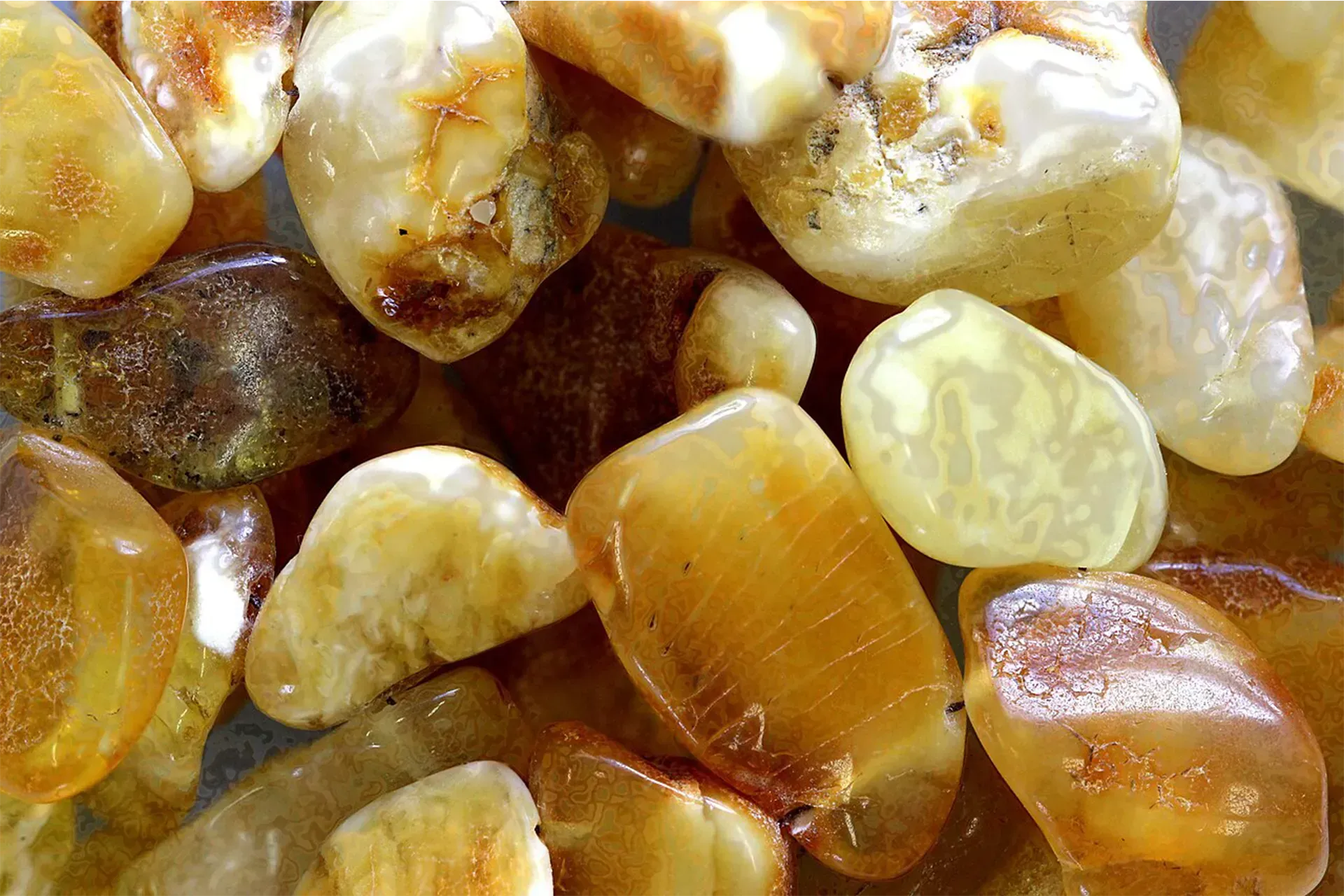
25. The Country Is Rich in Golden Baltic Amber
People call this historic stone “Baltic Gold,” and it is an important part of local ocean stories. For millions of years, old tree sap turned into hard golden rocks under the cold sea water.
After ocean storms, lucky people can find shiny pieces of amber sitting on the wet beach sand. You can visit local shops to buy amber necklaces, art pieces, and even special amber tea. Old stories say these stones are broken pieces of a magic palace under the sea waves.
Plan Your Dream Trip to Lithuania
Are you ready to see the old streets of Vilnius or visit the Trakai Castle? Look at our Lithuania tour packages to start planning your trip today!
FAQs
Frequently Asked Questions
What is Lithuania most famous for?
Lithuania is known for its rich cultural heritage and unique history. It is famous for the Baroque Old Town of Vilnius (a UNESCO World Heritage Site), the Hill of Crosses, and traditional dishes like cepelinai. The country also stands out for having one of the oldest living languages in the world and for being the first Soviet republic to declare independence in 1990.
What language do people speak in Lithuania?
Lithuanian is the official language and is one of only two surviving Baltic languages, alongside Latvian. It is considered one of the oldest living languages, with roots tracing back thousands of years. English is widely spoken, especially in Vilnius and other major cities, making it easy for travelers to communicate.
Is Lithuania worth visiting?
Yes, Lithuania is a great destination for travelers looking for culture, history, and nature without heavy crowds. Vilnius offers one of the largest Baroque Old Towns in Europe, while places like the Curonian Spit, Trakai Castle, and the Hill of Crosses provide diverse experiences beyond the capital.
What is cepelinai?
Cepelinai are Lithuania’s national dish. These large potato dumplings are typically filled with minced meat or cheese and served with sour cream and bacon sauce. The name comes from their shape, which resembles early airships known as Zeppelins.
Why is basketball so popular in Lithuania?
Basketball holds a special place in Lithuanian culture and is often seen as the country’s most popular sport. It gained popularity in the 1920s and quickly became part of national identity. Lithuania has achieved strong international success, including European championships and Olympic medals, with legendary players like Arvydas Sabonis gaining global recognition.
Is Vilnius safe to visit?
Vilnius is generally considered a safe destination for tourists, with low levels of violent crime. Like any city, travelers should take standard precautions, especially in busy areas, but overall it is a comfortable and welcoming place to explore
Contact us today to begin planning your unforgettable adventure:
- Call us at (800) 778‑9847
- Email: info@vytistours.com
- Visit: www.vytis-tours.com