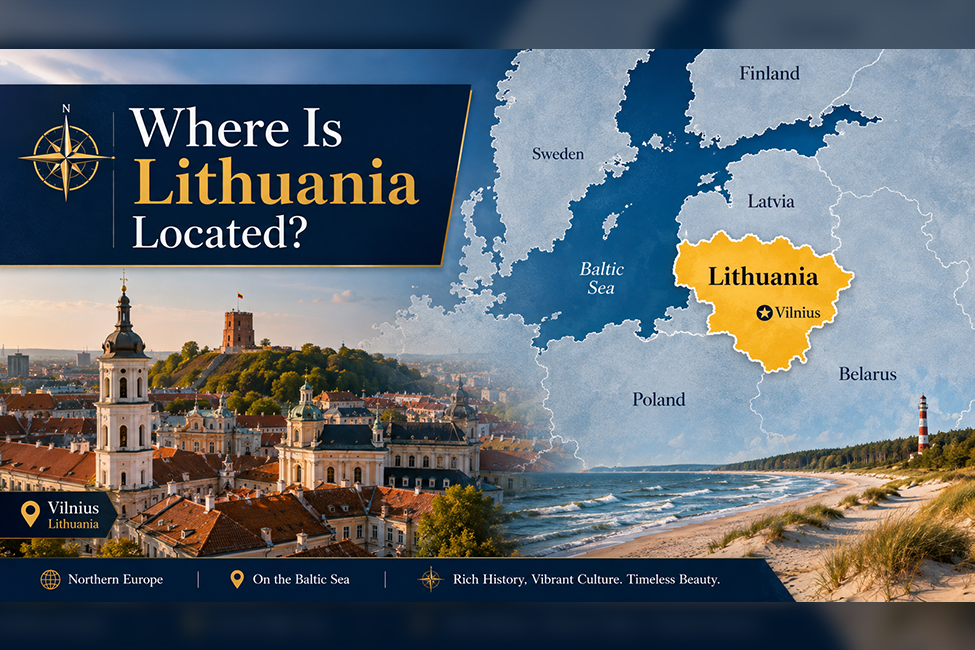
Lithuania Travel Mistakes First-Time Visitors Should Avoid
Reading Time: 6 minutes
Lithuania is one of Europe’s safest and most affordable destinations, but first-time visitors still run into avoidable trouble — usually around health preparation, money habits, and local logistics rather than crime. The most common mistake isn’t taking a wrong turn in Vilnius’ Old Town; it’s skipping travel health insurance, misunderstanding how Lithuanian healthcare works for foreigners, or underestimating weather and outdoor health risks like ticks and icy pavements. Below are the mistakes that trip up first-timers most often, what to do instead, and a practical pre-trip checklist so your visit to Vilnius, Kaunas, or the Baltic coast stays smooth from arrival to departure.
Mistake 1: Travelling Without Travel Health Insurance
Many visitors assume that because Lithuania is in the EU and Schengen area, healthcare is automatically covered. That’s only true for EU/EEA nationals carrying a valid European Health Insurance Card (EHIC or the UK’s GHIC), and even then, coverage applies only to state-affiliated providers and excludes medical evacuation, private clinics, and most prescriptions. Non-EU visitors, including Americans, have no automatic coverage at all. Travelers entering on a Schengen visa must typically show proof of medical insurance covering at least €30,000. Buy a travel insurance policy before you leave home that covers illness, injury, evacuation, and trip interruption — not just lost luggage.
Mistake 2: Assuming Lithuanian Healthcare Works Like Home
Lithuania’s public hospitals and pharmacies are modern in major cities, but the system runs differently than in the US, UK, or Canada. EHIC and most travel insurance plans work only at providers affiliated with the Territorial Health Insurance Fund, not private clinics, so paying out of pocket first and filing for reimbursement afterward is common. Pharmacies (vaistinė) are widely available and pharmacists can advise on minor ailments, but prescription rules differ from home. Before you travel, note your embassy’s contact details, save your insurer’s 24-hour assistance line, and ask your doctor about routine and destination-specific vaccines.
Mistake 3: Ignoring Weather-Related Health Risks
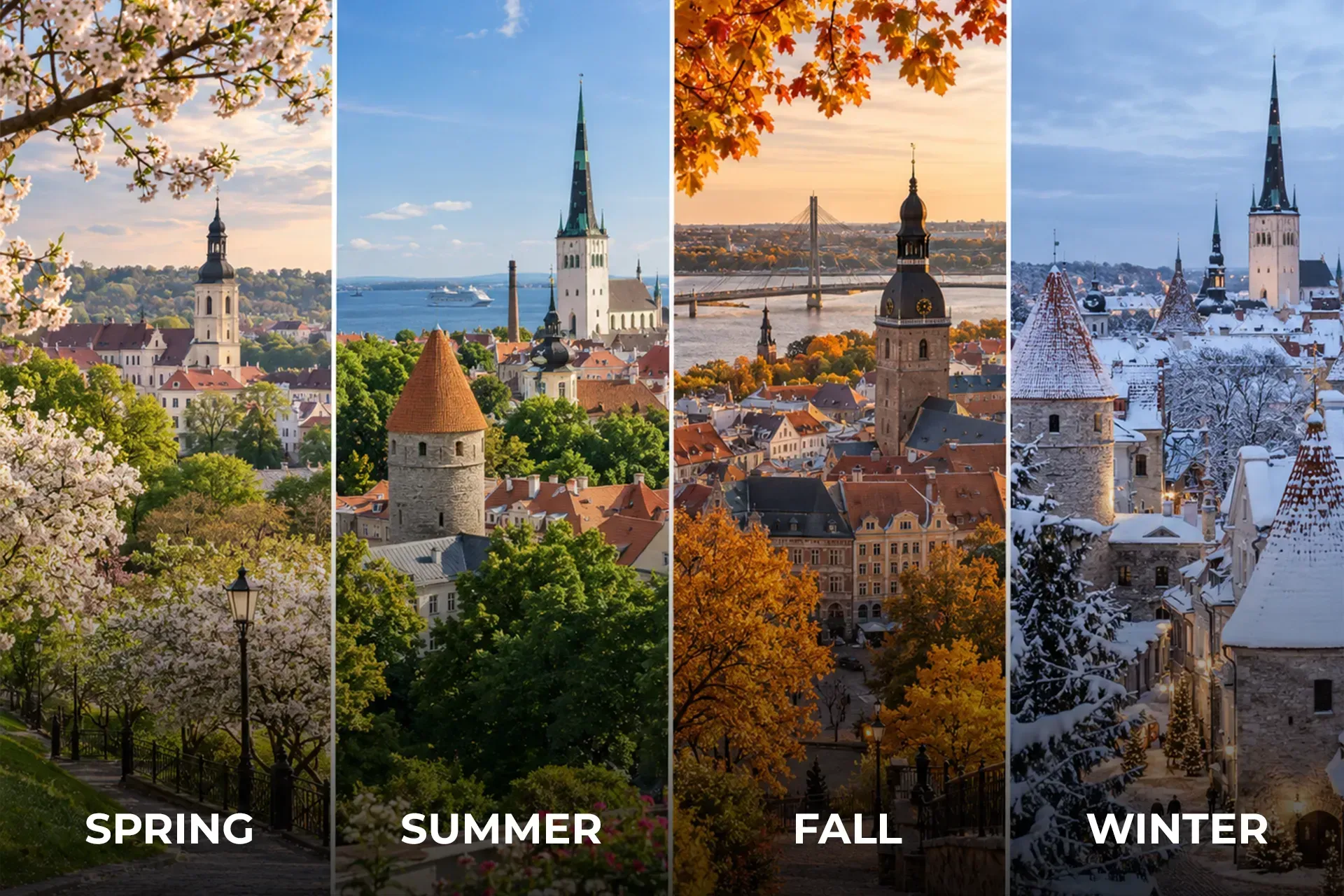
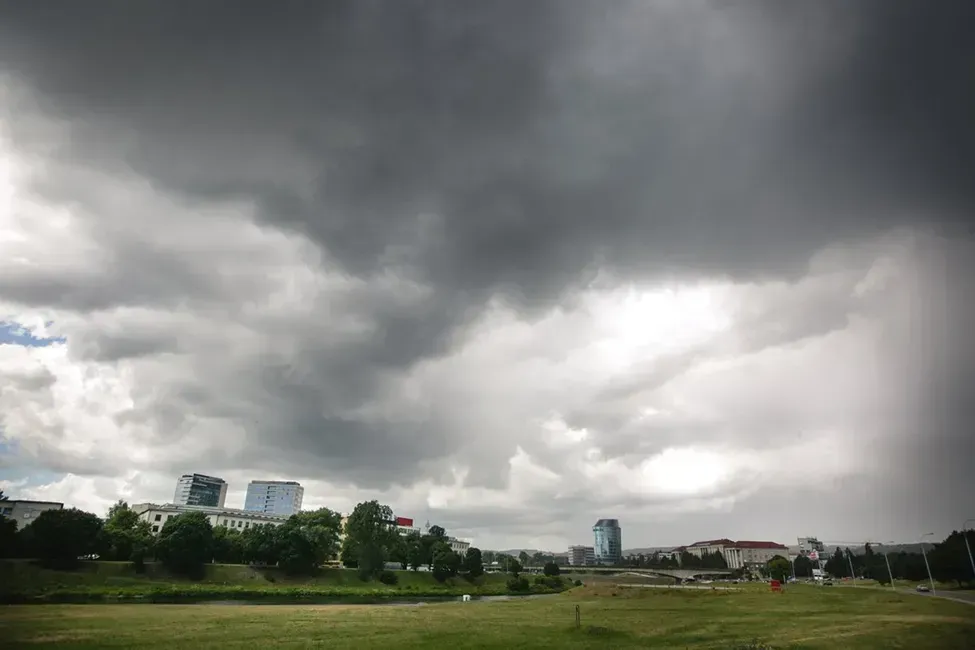
Lithuania’s climate swings hard between seasons, and each brings its own injury risk. Winters (November through March) bring icy sidewalks and sub-freezing temperatures — slips and falls are among the most common tourist injuries, so pack proper winter boots with grip, not fashion boots. Summers are mild, with daily highs around 68–71°F (20–22°C), but long walking tours through Vilnius’ Old Town or Trakai Castle can still cause dehydration or sunburn. Pack layers year-round, check the forecast before day trips, and budget extra time for slower, more cautious walking on cobblestones during the colder months.
Mistake 4: Skipping Tick Precautions Before Outdoor Trips
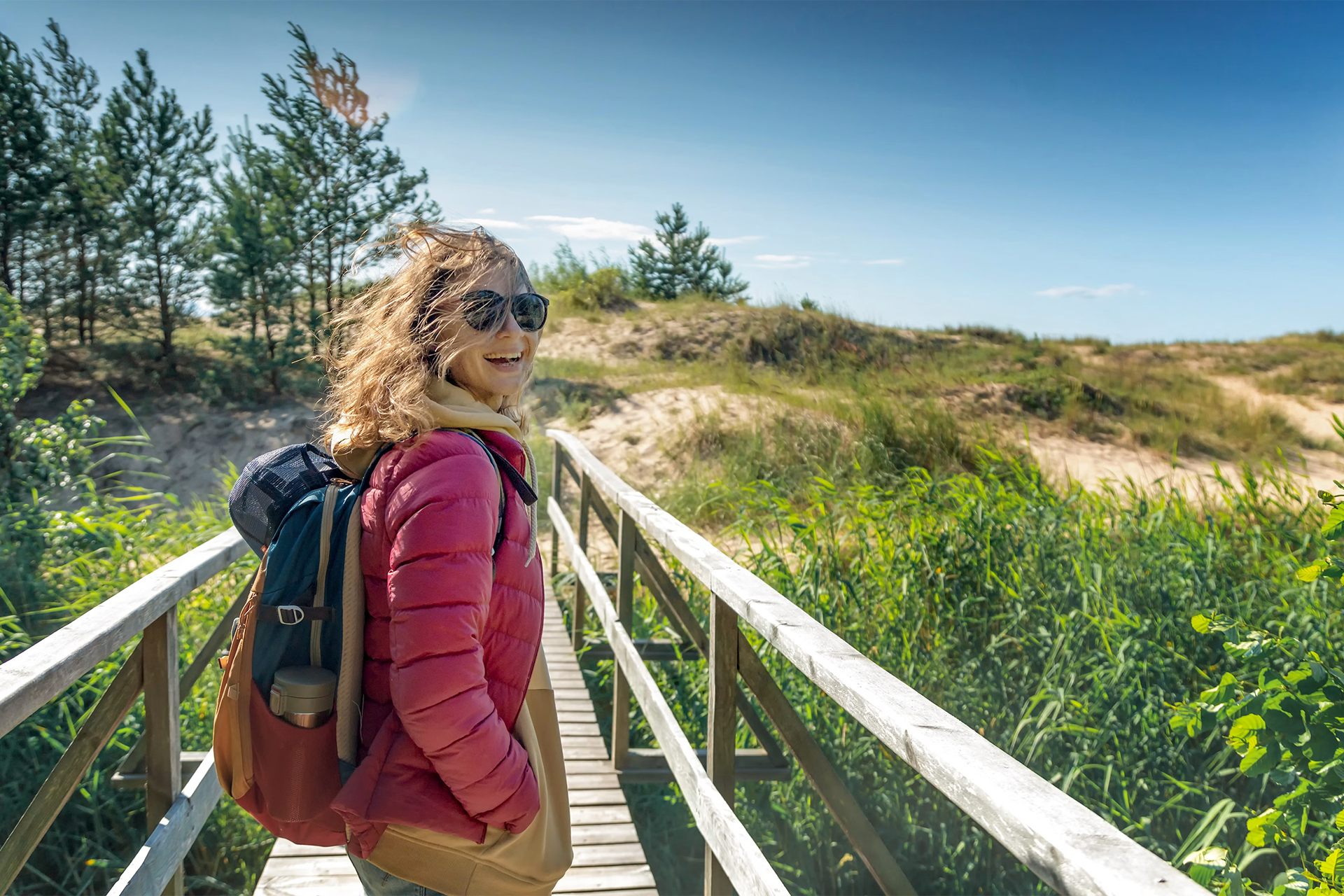
Lithuania’s forests, national parks, and the Curonian Spit are highlights of any first trip — and also tick habitat. Health authorities flag tick-borne encephalitis and Lyme disease risk in Lithuania, particularly from spring through autumn. If you’re planning hikes, cycling trails, or countryside day trips, use insect repellent containing DEET, wear long sleeves and closed shoes in tall grass, and check your skin each evening. Travelers planning extended outdoor time should ask a travel health provider about the tick-borne encephalitis vaccine several weeks before departure, since it requires more than one dose.
Mistake 5: Drinking Tap Water Without Checking Local Guidance
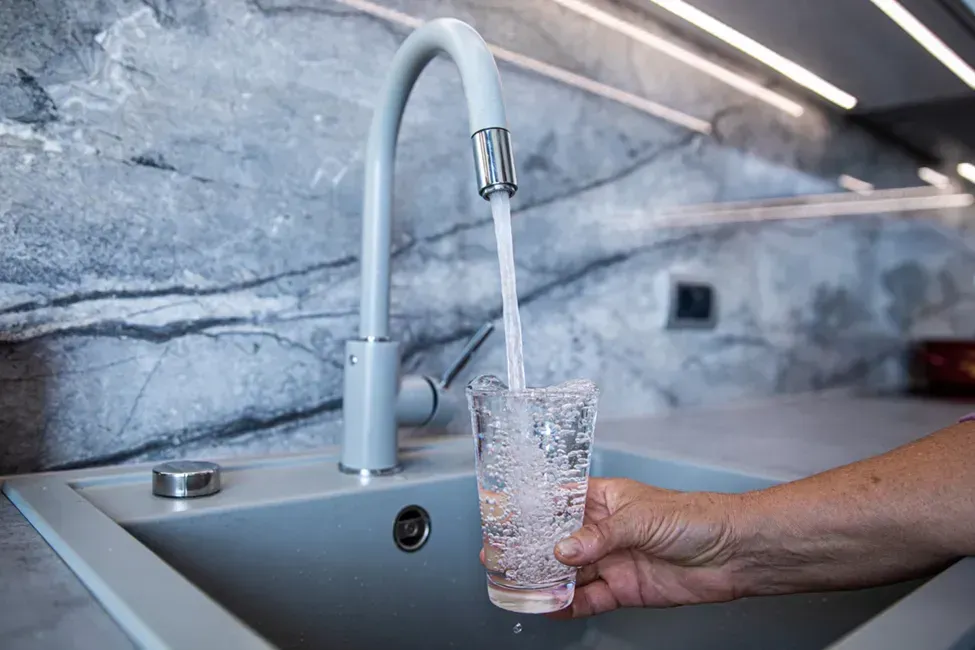
Tap water in Vilnius, Kaunas, and Klaipėda is generally treated and safe, but it can be high in minerals and appear cloudy, which upsets some visitors’ stomachs early in a trip. In rural areas and smaller towns, water quality is less consistent. To avoid an unplanned sick day, drink bottled or filtered water outside major cities, and ease into tap water in cities rather than drinking it heavily on day one. The same caution applies to ice in drinks at less-established venues.
Mistake 6: Underestimating Nightlife and Alcohol-Related Risks
Lithuania has a low crime rate, but Vilnius’ nightlife districts see occasional drink-spiking and overpriced “hostess bar” scams targeting solo travelers, along with alcohol-related petty theft. These aren’t reasons to skip a night out, but they are reasons to treat your drink like you would in any major city: never leave it unattended, stick with people you trust, and confirm prices before ordering in unfamiliar venues. If you or a travel companion needs medical help after a night out, dial 112 — Lithuania’s single emergency number for police, fire, and ambulance.
Mistake 7: Carrying Too Much Cash or Relying on Card Alone
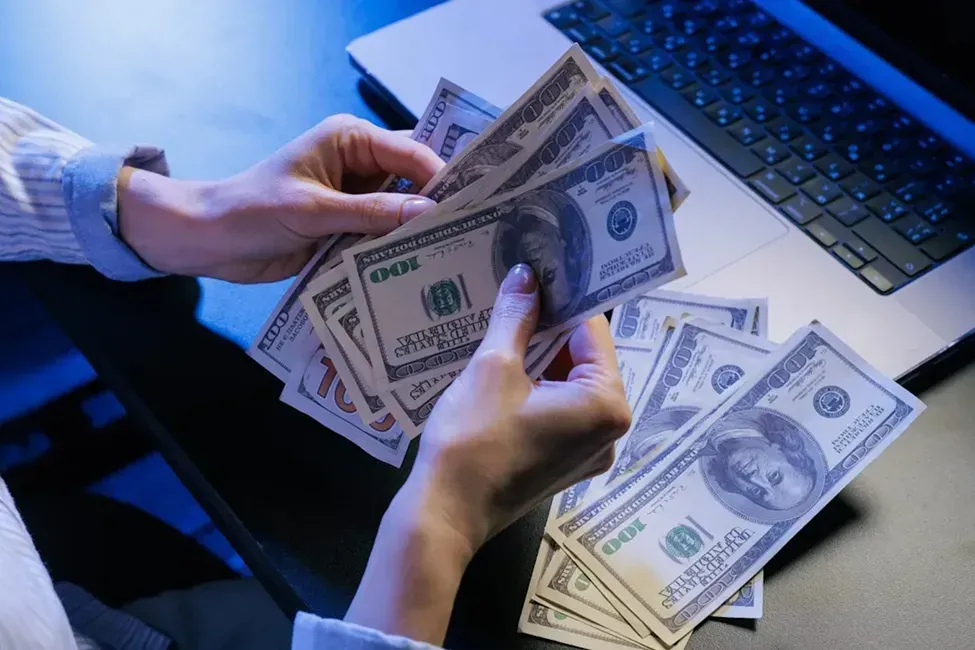
Lithuania uses the euro, and cards are widely accepted in cities, leading some visitors to skip cash entirely — a mistake in smaller towns, markets, and some rural guesthouses that remain cash-only. On the other hand, carrying large amounts of cash raises pickpocketing risk in crowded tourist areas like Gedimino Avenue and train stations. Carry a modest amount of cash for small towns, use indoor or bank-affiliated ATMs rather than street machines, and keep your card and cash in separate places.
Mistake 8: Overlooking Practical Logistics That Affect Comfort and Safety
First-timers often forget the small logistics that prevent bigger problems: a local SIM card or eSIM for maps and emergency calls, a basic first-aid kit with any personal medication in its original packaging, and offline copies of your insurance policy and prescriptions. If you’re driving, an International Driving Permit is recommended, seat belts are mandatory for everyone in the car, and children under three must ride in an appropriate car seat in the back seat.
EU vs. Non-EU Visitors: Health Coverage at a Glance
Coverage rules differ sharply depending on where you’re traveling from, which is why so many visitors are caught off guard:
| Category | EU/EEA Visitors (with EHIC/GHIC) | Non-EU Visitors (e.g., US, Canada) |
|---|---|---|
| Public hospital emergency care | Covered at reduced or no cost with a valid EHIC/GHIC | Not covered; paid out of pocket |
| Private clinics | Not covered by EHIC/GHIC | Not covered; paid out of pocket |
| Medical evacuation | Not covered by EHIC/GHIC | Not covered without separate insurance |
| Prescription medication | Partial coverage varies by case | Full cost paid by traveler |
| Recommended action | Carry EHIC/GHIC plus supplemental travel insurance | Buy comprehensive travel health insurance before departure |
Pre-Trip Health and Safety Checklist for Lithuania
- Buy travel insurance covering illness, injury, and medical evacuation (minimum €30,000 if a Schengen visa is required)
- Pack a small first-aid kit and any prescription medication in its original packaging
- Check recommended vaccines, including tick-borne encephalitis if visiting rural or forested areas
- Save Lithuania’s emergency number (112) and your insurer’s assistance line in your phone
- Pack weather-appropriate gear: grippy winter boots or breathable summer layers
- Get an international SIM card or eSIM for navigation and emergency calls
- Carry a mix of cash and card, and use bank-affiliated ATMs only
- Keep offline copies of your insurance policy, prescriptions, and ID
Frequently Asked Questions
Do I need travel insurance to visit Lithuania?
It isn’t required for most visa-exempt travelers, but it’s strongly recommended. If you need a Schengen visa, proof of medical insurance covering at least €30,000 is mandatory.
Is tap water safe to drink in Lithuania?
Yes, in major cities such as Vilnius, Kaunas, and Klaipėda, tap water is treated and safe, though it can taste mineral-heavy. In rural areas, bottled water is the safer choice.
What vaccines do I need before traveling to Lithuania?
Beyond routine vaccines, health authorities recommend hepatitis A and B, and tick-borne encephalitis for anyone spending time outdoors in forests or rural areas.
Is Lithuania safe for solo travelers?
Yes — Lithuania ranks among the lowest-crime countries in the EU. The main risks are petty theft and nightlife scams, both of which are avoidable with basic precautions.
What is the emergency number in Lithuania?
Dial 112 for police, fire, or ambulance anywhere in the country.
Does the European Health Insurance Card (EHIC) cover everything?
No. EHIC only covers state-affiliated healthcare providers and excludes private clinics, medical evacuation, and repatriation, so supplemental travel insurance is still recommended.
The Bottom Line!
Most Lithuania trip mishaps come down to preparation gaps rather than danger — travel insurance left unbought, tick precautions skipped, or a first-timer caught on icy cobblestones in the wrong boots. Work through the checklist above before you fly, and Lithuania delivers on what it’s known for: walkable medieval old towns, affordable prices, and one of the calmer, safer corners of Europe for a first EU trip.