Planning Trip to Lithuania: A Complete Guide for First-Timers
Reading Time: 6 minutes
There’s a specific kind of overwhelm that hits the moment you decide to visit a country you know almost nothing about. Where do you even start? Is a week enough? Do you need a visa? What’s the weather actually like in October? If you’re staring down your first of many trips to Lithuania and feeling a little lost, you’re in exactly the right place.

Lithuania doesn’t get the attention Paris or Rome does, and honestly, that’s part of the appeal. It means fewer crowds, more genuine interactions, and a country that still feels like a discovery rather than a checklist. But it also means there’s less obvious information floating around, and first-time visitors often end up piecing together their trip from a dozen different sources that don’t always agree.
We’ve spent over 30 years helping American travelers plan their first trip to the Baltics, and this guide pulls together everything a first-timer actually needs, not the tourist-brochure version, but the practical stuff: timing, entry requirements, flights, budgeting your days, and what to expect once you land.
By the end, you’ll have a clear starting point for planning your own trip, whether you handle it yourself or let us take care of the details.
Is Lithuania a Good First Trip to the Baltics?
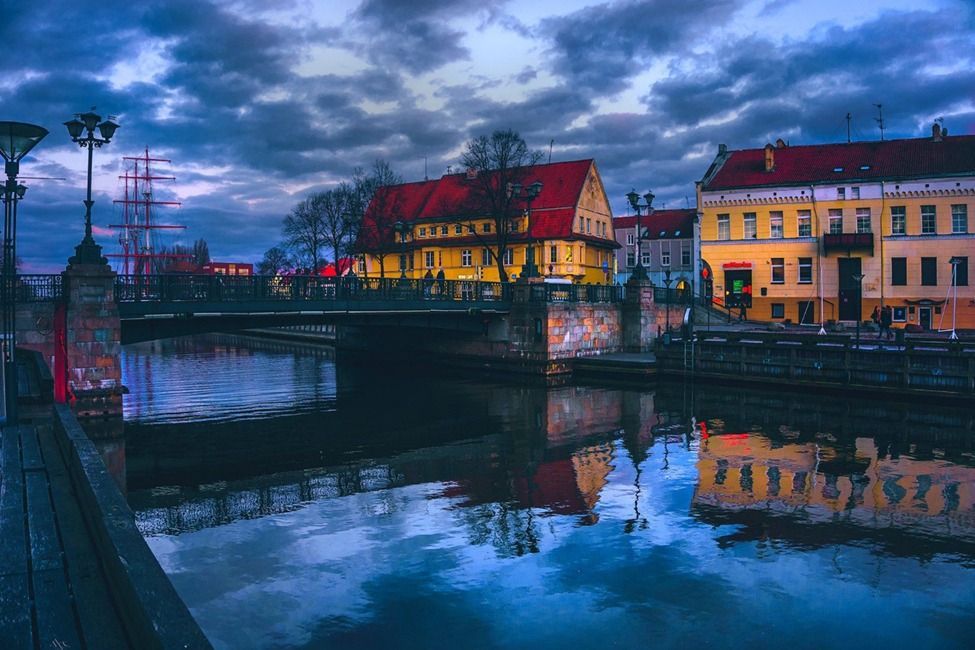
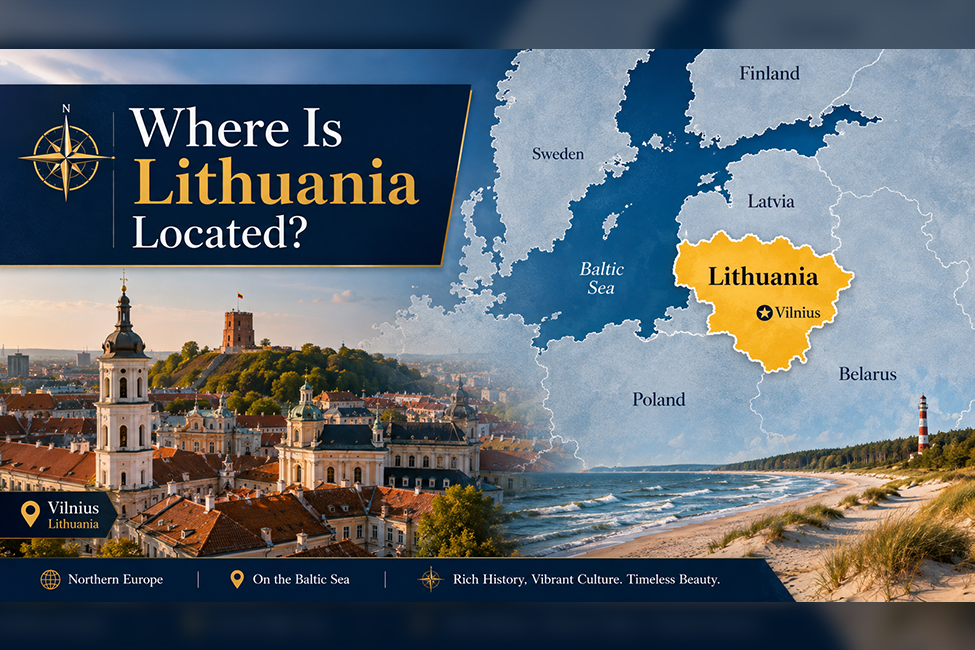
Short answer: yes, and for a few specific reasons. Lithuania is easy to navigate as an English-speaking traveler, safe by nearly every measure, and compact enough that you’re never more than a few hours from anywhere else worth seeing. Vilnius gives you a walkable, story-rich capital city, Trakai gives you one of Europe’s most photographed castles just outside town, and the Curonian Spit gives you a coastline that feels nothing like the cities. For a first Baltic trip, that’s a lot of variety packed into a manageable footprint.
It’s also a country that rewards a bit of structure. Unlike destinations where you can wing it and still have a great time, Lithuania’s smaller towns and countryside stops are far more rewarding with some planning or a guide who already knows where to go.
How Many Days Do You Actually Need?
This is usually the first real planning question, and the honest answer depends on how deep you want to go.
- 4–5 days is enough for Vilnius and Trakai alone, if this is a shorter add-on to a bigger European trip.
- 8–9 days allow a fuller loop: Vilnius, Trakai, Kaunas, and a bit of breathing room in between.
- 12–13 days gives you the full country: cities, castles, and the coast, without rushing any of it.
Our Lithuanian Economy Tour – 9 Days/8 Nights is built for that middle option, while the Grand Tour of Lithuania – 13 Days/12 Nights is the one we recommend most often to genuine first-timers who want to see the country properly rather than skim the surface.
When to Visit: Choosing the Right Season

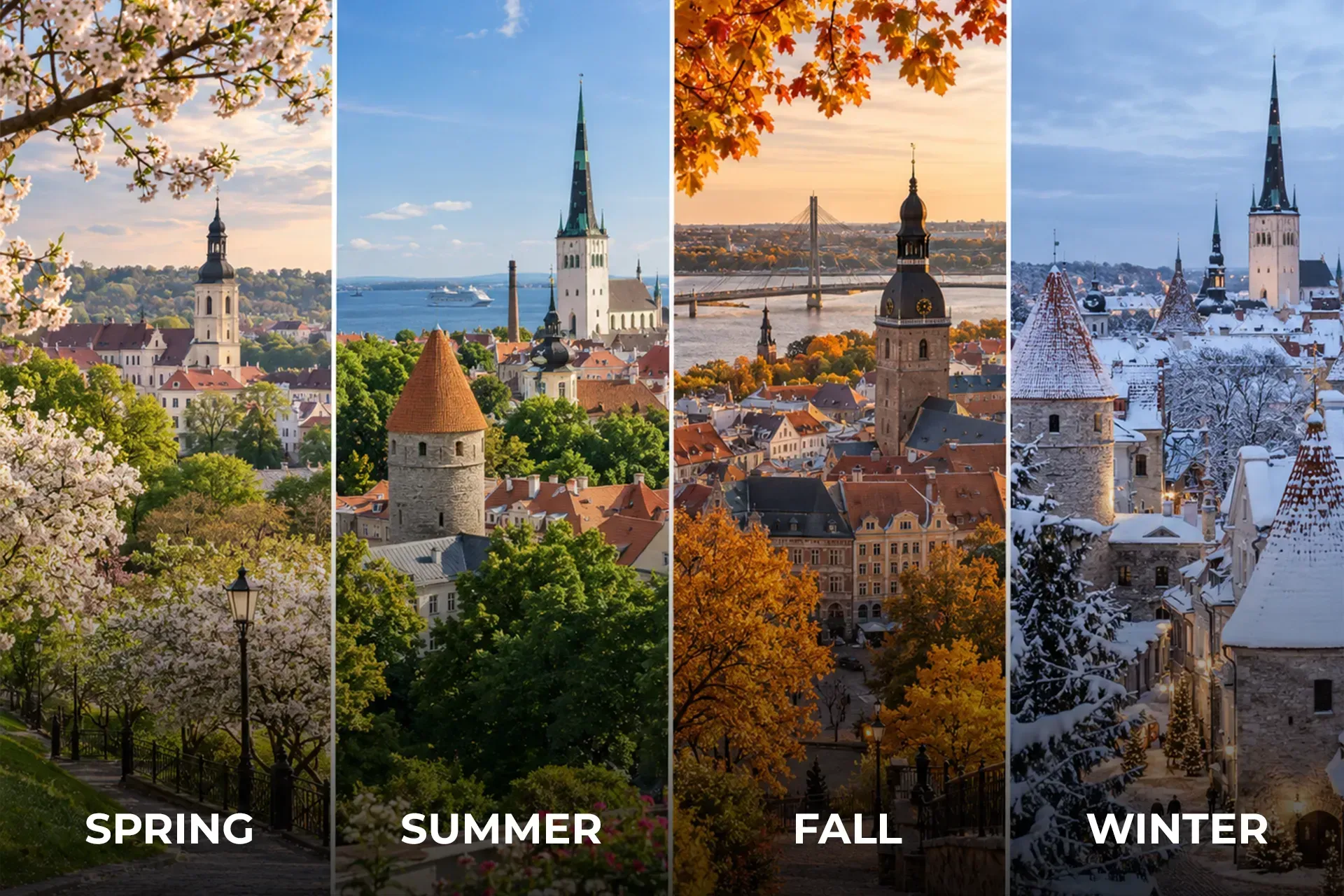
Lithuania genuinely changes character by season, so this decision shapes the whole trip.
Late spring to early autumn (May–September) is the sweet spot for most first-timers: mild weather, long daylight hours, and every outdoor spot from Trakai’s lake paths to the Curonian Spit’s dunes fully accessible.
Winter, especially December, is a completely different but equally worthwhile trip, built almost entirely around Vilnius’s Old Town and its Christmas markets. If that’s the experience you’re after, our Vilnius Christmas Markets tour is designed specifically for it.
Shoulder months (April, October) can be a smart middle ground: fewer crowds, lower prices, and still reasonable weather, though pack for some unpredictability either way.
Entry Requirements: What U.S. Travelers Need to Know
Here’s the good news: Lithuania is part of the Schengen Area, and U.S. passport holders can currently visit for short stays without a visa, as long as your passport is valid for at least three months beyond your planned departure date. Requirements can shift, though, so it’s always worth double-checking current entry rules close to your travel dates rather than assuming last year’s policy still applies.
A couple of practical notes for first-timers:
- Bring a physical copy of your passport photo page, separate from the original, just in case.
- If Lithuania is part of a longer, multi-country Schengen trip, your allowed stay is calculated across the whole zone, not per country.
Flights to Lithuania: What First-Timers Should Expect
Most direct international routes don’t exist yet for U.S. travelers, so expect at least one connection. Vilnius International Airport is the main arrival point, typically reached through a European hub like Frankfurt, Warsaw, or Helsinki, with total travel time landing somewhere between 11 and 16 hours depending on your departure city.

A few first-timer tips:
- Book early, but not too early. The 2–4 month window before departure tends to offer the best balance of price & availability.
- Consider Kaunas Airport if your itinerary starts there instead of Vilnius, especially with certain budget European carriers.
- Let us handle the comparison shopping. Our
flight booking service sources and compares flights to Lithuania so you’re not stuck cross-checking five airline sites for a route you’ve never flown before.
A Simple First-Timer Planning Timeline
If you’re not sure where to even begin, here’s a rough timeline that works well for a first trip:
| Timeframe | What to Handle |
|---|---|
| 3–4 months before | Choose your package or rough itinerary, and check passport validity. |
| 2–3 months before | Book flights and confirm accommodations |
| 6–8 weeks before | Arrange travel insurance, review current entry requirements. |
| 2–4 weeks before | Start a packing list, download offline maps, and notify your bank of your travel. |
| Final week | Confirm all bookings, print key documents, and pack. |
Where to Stay and What to See First
For a first trip, basing yourself in Vilnius makes the most sense; it’s central, walkable, and puts Trakai within easy day-trip distance. From there, most first-timers naturally gravitate toward:
- Vilnius Old Town, for the cathedral, winding streets, and café culture
- Trakai Castle, for one of the most striking sights in the entire Baltic region
- Kaunas, for a quieter, more local look at Lithuanian city life
- The Curonian Spit, if your itinerary has room for a coastal detour
Our Lithuania tours are built around exactly this progression, so you’re not guessing at logistics or trying to string together transportation between stops on your own.
What to Pack for Your First Trip
- Comfortable walking shoes, Vilnius’s cobblestones are charming but unforgiving on the wrong footwear
- Layers, even on summer evenings, can turn cool, especially near the coast
- A packable rain jacket for sudden weather shifts
- A European two-pin plug adapter
- A crossbody bag or small daypack for castle and museum visits
We also help arrange travel insurance, which is worth having in place before departure, especially on a first international trip.
Money, Language, and Everyday Basics
- Currency: The euro. Cards are widely accepted, but you must also carry some cash for small cafés and rural stops.
- Language: English is common in Vilnius and tourist areas, though a few basic Lithuanian phrases are always appreciated by locals.
- Tipping: Not obligatory, but rounding up or leaving 10% for good service is standard practice.
- Getting around: Vilnius is highly walkable; buses and trains connect other cities affordably if you’re traveling independently between stops.
Wrapping Up
Planning your first of many trips to Lithuania doesn’t need to be complicated, even if it feels that way right now with a dozen open tabs and half-answered questions. Once you settle on timing, know what to expect for entry requirements, and have a rough sense of how many days you actually need, the rest tends to fall into place quickly.
And if you’d rather not piece it together solo, that’s exactly what we’re here for, turning a first-timer’s uncertainty into an itinerary that’s already been thought through, down to the flights and the small details you wouldn’t necessarily think to plan for.
Contact Vytis Tours Now!
Planning your first trip to a new country is a lot easier with someone on the other end who’s already done it hundreds of times. Reach out anytime; we’re happy to talk through timing, entry requirements, or anything else standing between you and a booked itinerary.
Get in touch today:
- Call us: (800) 778-9847
- Email: info@vytistours.com
- Visit: Vytis-Tours.com