Ultimate Guide to the Baltic States Tours: What Every Should Know
Reading Time: 5 minutes
The Baltic states Tours are one of Europe’s most underrated travel regions. While millions of tourists flock to places like France, Italy, and Spain every year, many travelers still know surprisingly little about Lithuania, Latvia, and Estonia. But those who do visit the Baltics often leave wondering why they waited so long. The Baltic region offers a little bit of everything: medieval cities, beautiful coastlines, dense forests, rich history, charming cafés, vibrant culture, and peaceful landscapes that feel refreshingly untouched by mass tourism. Even better, traveling through the Baltics is relatively easy, affordable, and incredibly rewarding. Whether you’re planning your first Baltic adventure or simply curious about the region, this guide covers everything every traveler should know before visiting Lithuania, Latvia, and Estonia.
What Are the Baltic States Tours ?
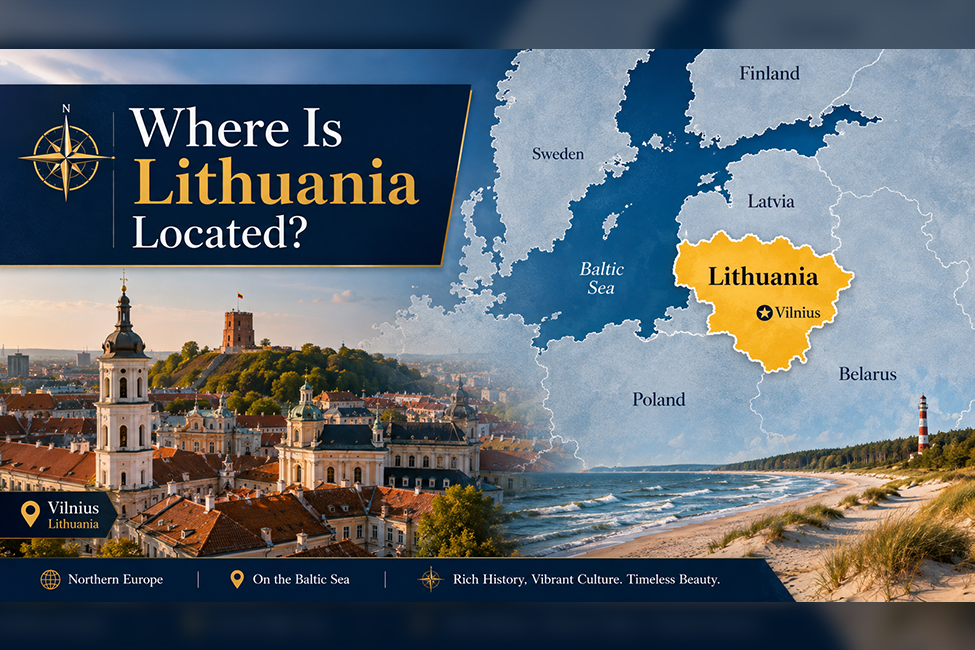
The Baltic States are three neighboring countries located in Northern Europe along the eastern coast of the Baltic Sea:
- Lithuania
- Latvia
- Estonia
Although they are often grouped together geographically, each country has its own distinct language, culture, traditions, architecture, and personality. The Baltics share a complicated but fascinating history shaped by medieval kingdoms, foreign occupations, Soviet rule, and eventual independence. Today, all three countries are modern European nations, members of the European Union and NATO, while still maintaining strong cultural identities rooted in tradition and heritage. One of the best things about traveling through the baltic states tours is how easy it is to experience three completely different cultures within a relatively short distance.
Why Travelers Are Falling in Love with the Baltics
The Baltics offer something many modern travelers are searching for: authentic European experiences without overwhelming crowds. Unlike some of Europe’s more famous destinations, the Baltic States still feel relatively undiscovered. You can explore medieval old towns without constantly navigating massive tourist groups, enjoy local restaurants without inflated tourist pricing, and experience genuine hospitality throughout the region. Travelers are also drawn to the Baltics because they combine history, nature, and modern city life so effortlessly. One moment you’re wandering through a centuries-old castle district, and the next you’re sitting in a stylish café surrounded by modern Nordic-inspired design. The atmosphere feels calmer, slower, and more personal compared to many heavily commercialized tourist hotspots.
Lithuania: The Soulful and Historic Baltic Destination
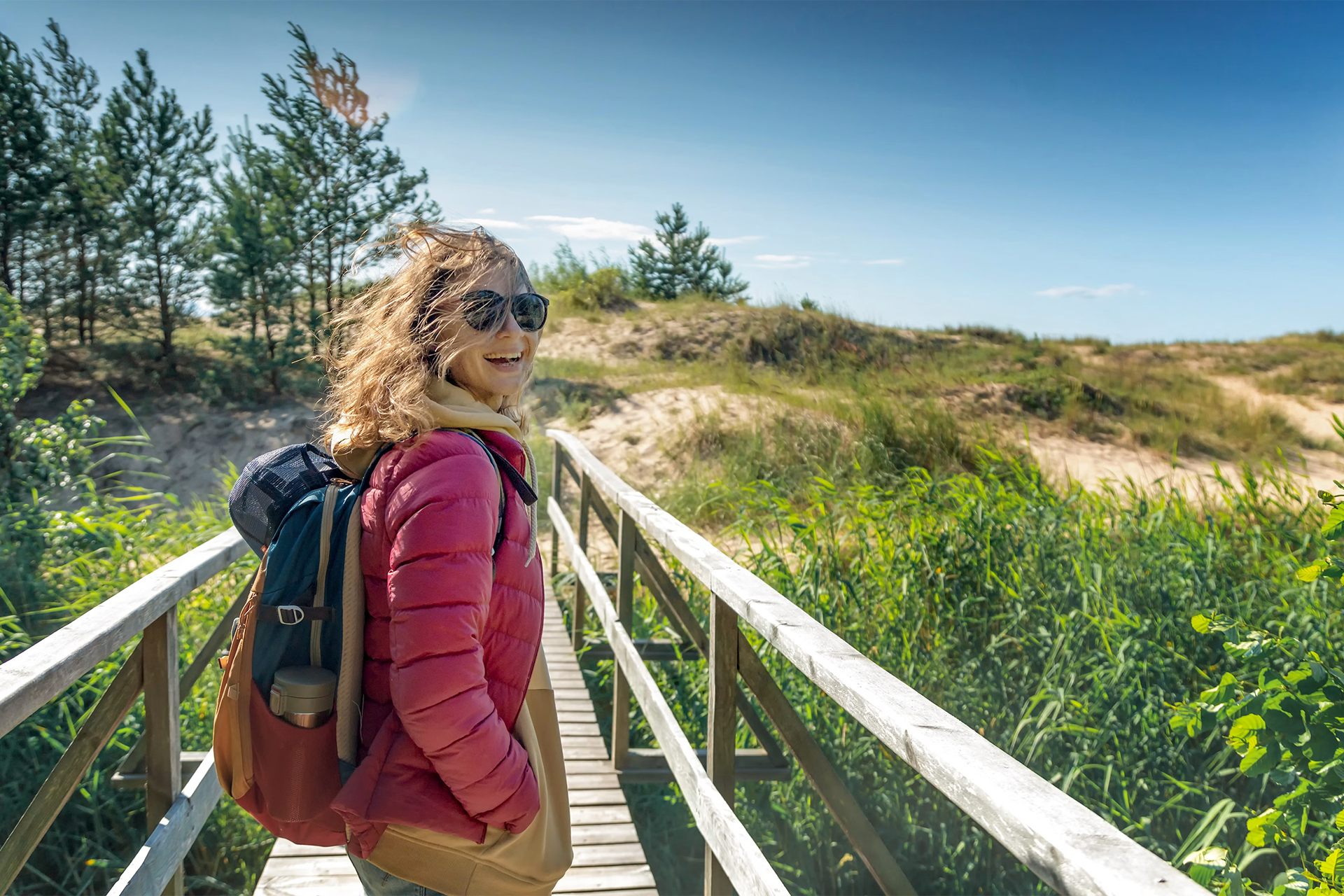
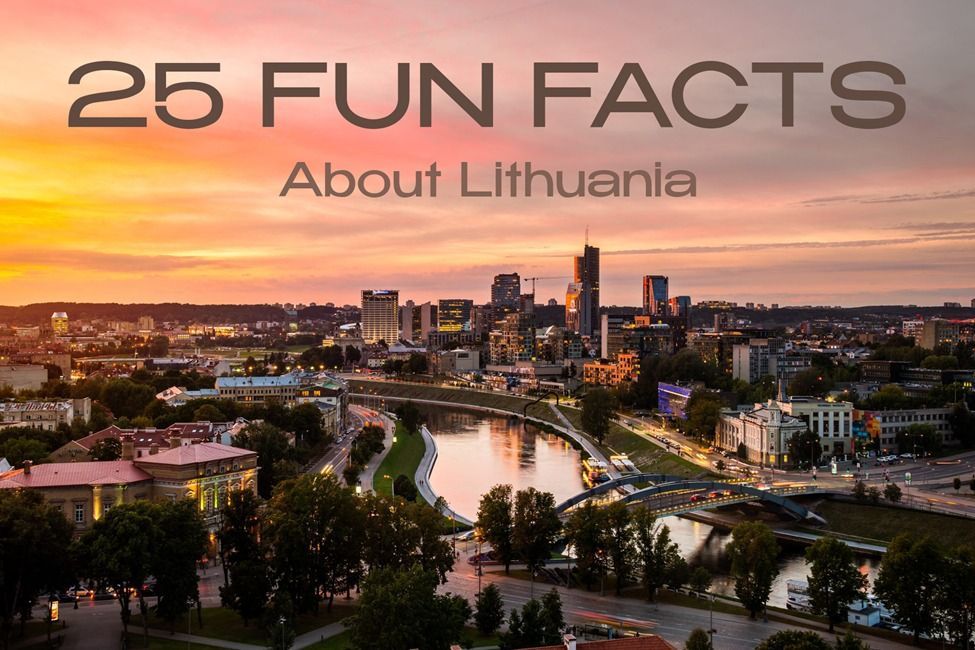
Lithuania is the southernmost Baltic country and often surprises travelers with its warmth, culture, and deep historical roots. The capital city, Vilnius, is one of Europe’s most charming hidden gems. Its Baroque Old Town, cobblestone streets, churches, and artistic neighborhoods create a relaxed but lively atmosphere. Vilnius feels creative, youthful, and incredibly walkable. Lithuania also has a strong cultural identity shaped by centuries of resilience and national pride. Visitors quickly notice how much history matters here, from medieval castles to Soviet-era landmarks that tell the story of the country’s past. Outside the cities, Lithuania offers peaceful countryside landscapes, lakes, forests, and coastal destinations along the Baltic Sea. The Curonian Spit, a UNESCO World Heritage Site shared with Russia, is one of the country’s most beautiful natural attractions, known for its giant sand dunes and scenic coastline. Lithuania is ideal for travelers who enjoy:
- History and architecture
- Cultural immersion
- Nature escapes
- Quiet European city experiences
- Local traditions and cuisine
Latvia: The Perfect Blend of Nature and Urban Energy
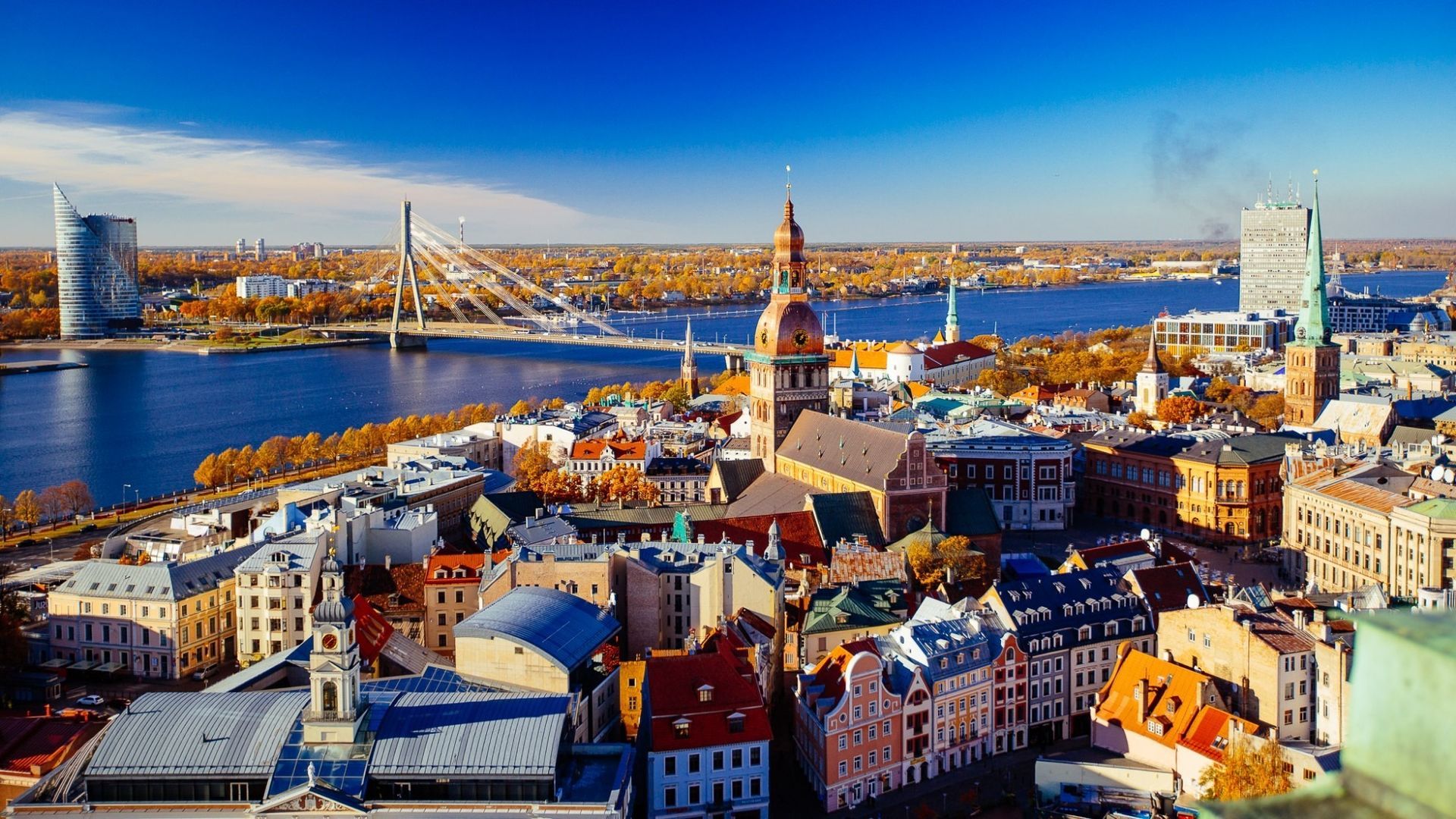
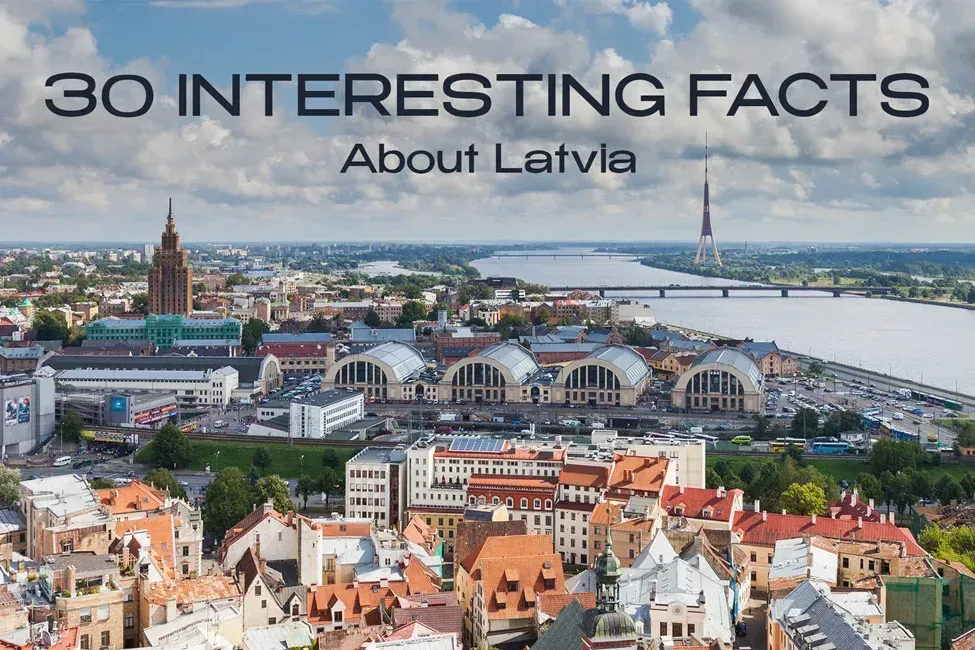
Located between Lithuania and Estonia, Latvia offers a wonderful mix of urban sophistication and natural beauty. Riga, the capital, is the largest city in the Baltics and often becomes a favorite stop for travelers. The city is famous for its Art Nouveau architecture, lively food scene, historic Old Town, and vibrant nightlife. Riga has a more energetic atmosphere compared to the calmer pace of Vilnius or Tallinn. It feels cosmopolitan while still preserving its historical charm. But Latvia is much more than Riga. The country is filled with forests, lakes, beaches, and national parks. Gauja National Park, sometimes called the “Switzerland of Latvia,” offers hiking trails, castles, caves, and beautiful scenery just outside the capital. Latvia’s Baltic coastline is another major highlight. Seaside towns like Jurmala provide sandy beaches, wooden villas, and a relaxing atmosphere during the summer months. Travelers who enjoy balancing city exploration with outdoor adventure often find Latvia especially appealing.
Estonia: Europe’s Digital Fairytale
Estonia is perhaps the Baltic country that surprises travelers the most. Its capital city, Tallinn, looks like a medieval fairytale with ancient stone walls, watchtowers, and colorful historic buildings. Tallinn’s Old Town is one of the best-preserved medieval city centers in Europe and feels almost cinematic. At the same time, Estonia is one of the world’s most digitally advanced countries. This fascinating contrast between old-world charm and modern innovation gives Estonia a unique personality. The country is known for:
- Digital innovation
- Minimalist Nordic design
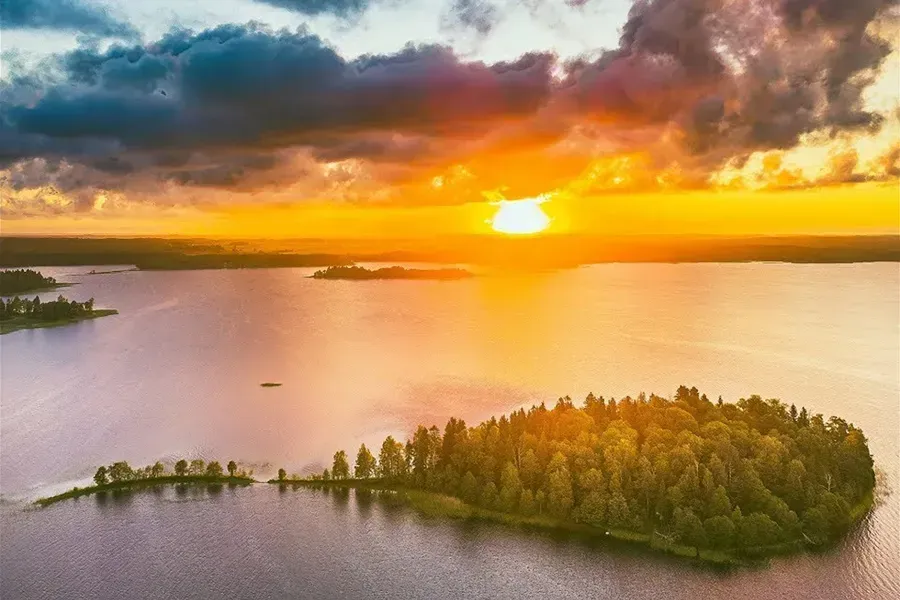
- Peaceful forests
- Coastal beauty
- Sauna culture
- Quiet lifestyle
Nature also plays a huge role in Estonian life. Nearly half the country is covered by forests, and the country’s islands, bogs, and national parks offer some of Northern Europe’s most peaceful natural experiences. Estonia is especially attractive for travelers looking for a calm, creative, and modern atmosphere mixed with rich history.
Is It Easy to Travel Between the Baltic States?
Yes, traveling between the Baltic States is very easy. The countries are well connected through:
- Buses
- Ferries
- Flights
- Road trips
Many travelers explore all three countries in a single trip because the distances are relatively short. For example:
- Vilnius to Riga takes around 4 hours by bus
- Riga to Tallinn takes about 4–5 hours
Bus travel is particularly popular because it’s affordable, comfortable, and efficient. Companies operating in the region often provide Wi-Fi, charging ports, and modern seating. A Baltic road trip is also an excellent option for travelers who want more flexibility and access to smaller towns and natural areas.
When Is the Best Time to Visit the Baltic States Tours?
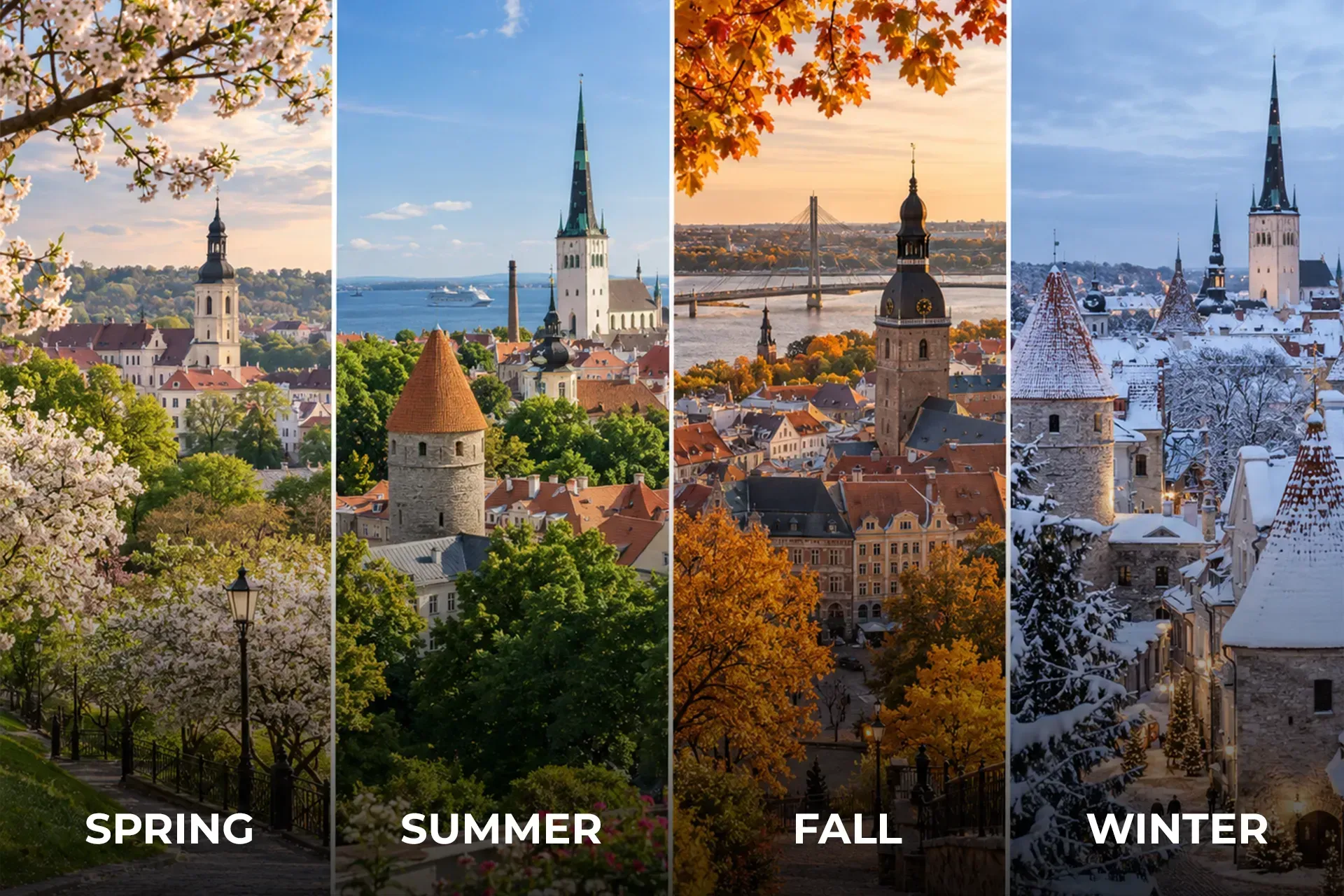
The best time depends on the type of experience you want.
Summer (June to August)
Summer is the most popular season because of:
- Warm weather
- Long daylight hours
- Festivals
- Outdoor dining
- Beach trips
- Nature activities
The famous “white nights” in Estonia and Latvia create magical evenings where daylight lasts almost until midnight.
Autumn (September to October)
Autumn is ideal for:
- Fewer crowds
- Beautiful forest colors
- Cooler temperatures
- Scenic countryside travel
This season feels peaceful and visually stunning across the Baltics.
Winter (November to February)
Winter transforms Baltic cities into cozy, snow-covered destinations. Christmas markets in Tallinn, Riga, and Vilnius become major highlights, while traditional saunas and winter cuisine create a warm atmosphere despite the cold weather.
Spring (March to May)
Spring offers:
- Blooming landscapes
- Milder weather
- Lower tourist numbers
- Affordable travel opportunities
It’s a wonderful time for relaxed cultural travel.
Baltic Food Is Better Than Most People Expect
Many travelers arrive with few expectations about Baltic cuisine and leave pleasantly surprised. Baltic food is hearty, seasonal, and deeply connected to local traditions. Common ingredients include:
- Rye bread
- Potatoes
- Smoked fish
- Mushrooms
- Berries
- Dairy products
- Pork
- Wild herbs
At the same time, the restaurant scene across the Baltics has become increasingly modern and creative. Tallinn, Riga, and Vilnius now feature stylish cafés, Nordic-inspired restaurants, and excellent fine dining experiences. One of the best parts? Dining in the Baltics is often far more affordable than in Western Europe.
The Baltics Are Safe and Traveler-Friendly
Safety is one of the region’s biggest advantages. The Baltic states tours are generally considered very safe for travelers, including solo travelers. Cities feel organized, public transportation is reliable, and locals are often helpful, especially in tourist areas. English is widely spoken among younger generations and in the hospitality industry, making communication relatively easy for international visitors. The Baltics also feel less chaotic than many major European destinations, which adds to their appeal for travelers seeking a more relaxed experience.
Why the Baltics Feel Different from the Rest of Europe
What truly makes the Baltic States special is their atmosphere. The region doesn’t feel overly commercialized or designed entirely around tourism. Instead, travel here feels more personal and authentic. The cities are beautiful but still lived-in. The culture feels preserved rather than performed. Nature remains accessible and uncrowded. There’s also a strong emotional connection to history throughout the Baltics. From medieval heritage to Soviet occupation and independence movements, the past is deeply woven into everyday life. Travelers often leave the Baltics feeling like they experienced a side of Europe that still feels genuine and undiscovered.
Final Thoughts
The Baltic States may not always dominate European travel headlines, but that’s exactly part of their charm. Lithuania, Latvia, and Estonia offer travelers the opportunity to experience Europe in a more relaxed, authentic, and meaningful way. Whether you’re exploring medieval old towns, hiking through forests, relaxing by the Baltic Sea, or discovering centuries of history, the Baltics provide experiences that feel both memorable and refreshingly real. For travelers looking beyond Europe’s usual tourist routes, the Baltic States Tours are no longer just hidden gems; they’re becoming some of the continent’s most rewarding destinations.