Why Group Baltic Tours Are a Stress-Free Way to Travel
Reading Time: 4 minutes
Planning a trip across multiple countries can sometimes feel more exhausting than exciting. Between organizing transportation, booking hotels, researching routes, managing schedules, and figuring out what’s actually worth seeing, travel can quickly become overwhelming, especially in a region you’ve never visited before.
That’s one reason group Baltic tours have become increasingly popular. For travelers exploring Lithuania, Latvia, and Estonia, organized tours remove much of the stress while still allowing people to experience the culture, history, and beauty that make the Baltics so memorable.
The Baltic States are relatively easy to travel through independently, but group tours simplify the entire experience in a way many travelers end up appreciating more than expected. Instead of constantly worrying about logistics, travelers can focus on enjoying medieval cities, peaceful landscapes, local food, and meaningful experiences along the way.
Everything Is Organized for You
One of the biggest advantages of group Baltic tours is convenience. Traveling through three different countries means managing accommodations, transportation schedules, border crossings, sightseeing plans, and timing. Even though the Baltics are compact, organizing all of these details still takes time and energy.
With a group tour, most of that work is already handled. Hotels, transportation, guided experiences, and routes are arranged in advance, allowing travelers to simply follow the journey without constantly checking maps or schedules.
This creates a much more relaxed travel experience. Instead of spending hours researching train connections or worrying about missing buses, you can spend your time actually enjoying the places you came to see.
For many travelers, especially first-time visitors to the region, that peace of mind makes a huge difference.
Traveling Between Baltic Countries Becomes Easier
Lithuania, Latvia, and Estonia may be neighboring countries, but planning smooth travel between them can still feel complicated if you’re unfamiliar with the region.
Group tours remove that uncertainty completely. Transportation between cities and countries is coordinated efficiently, which helps the trip feel seamless rather than stressful.
You don’t need to figure out:
- Bus schedules
- Rental car logistics
- Parking rules
- Navigation
- Cross-border travel planning
Instead, you simply enjoy the changing scenery as the journey naturally moves from one country to the next.
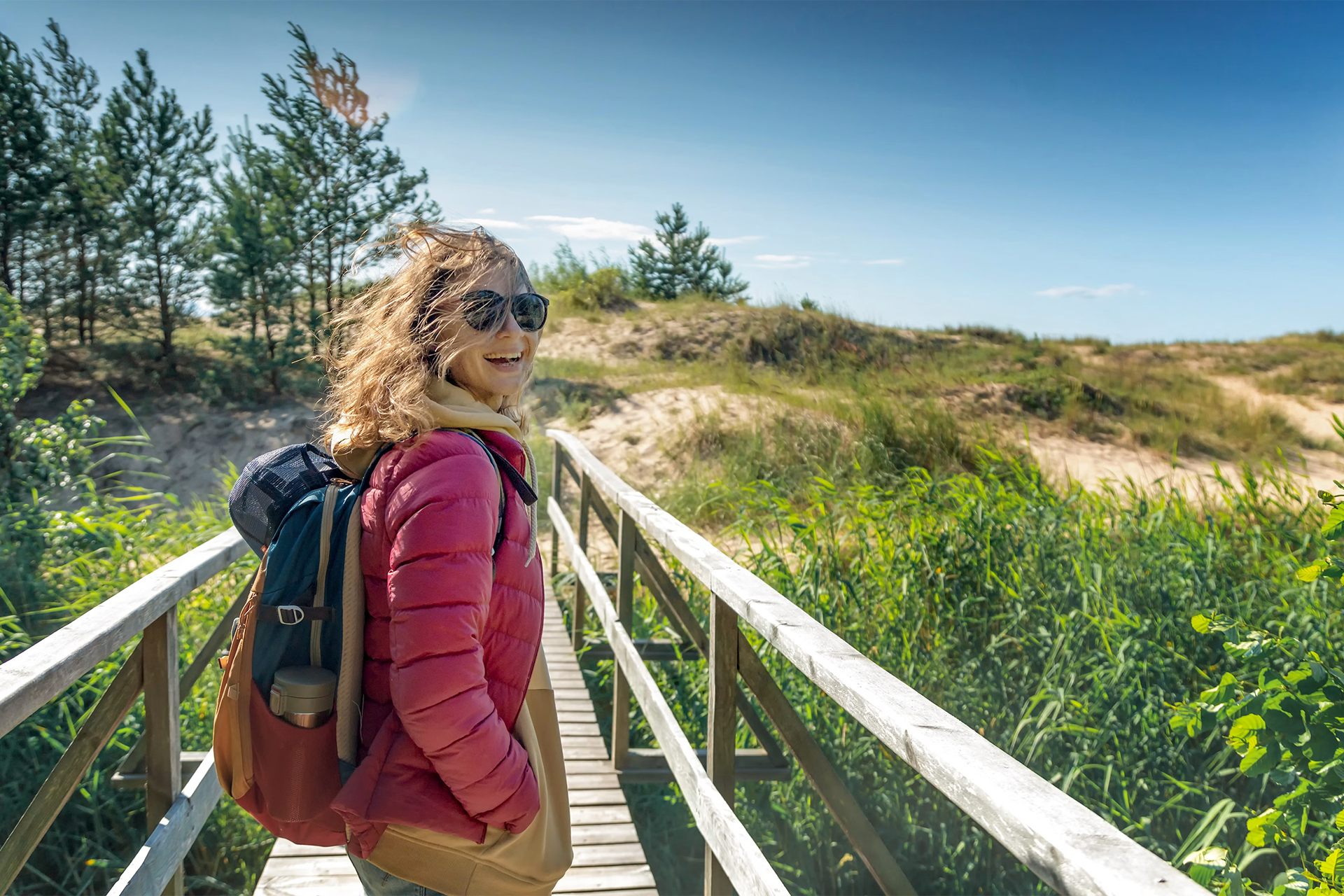
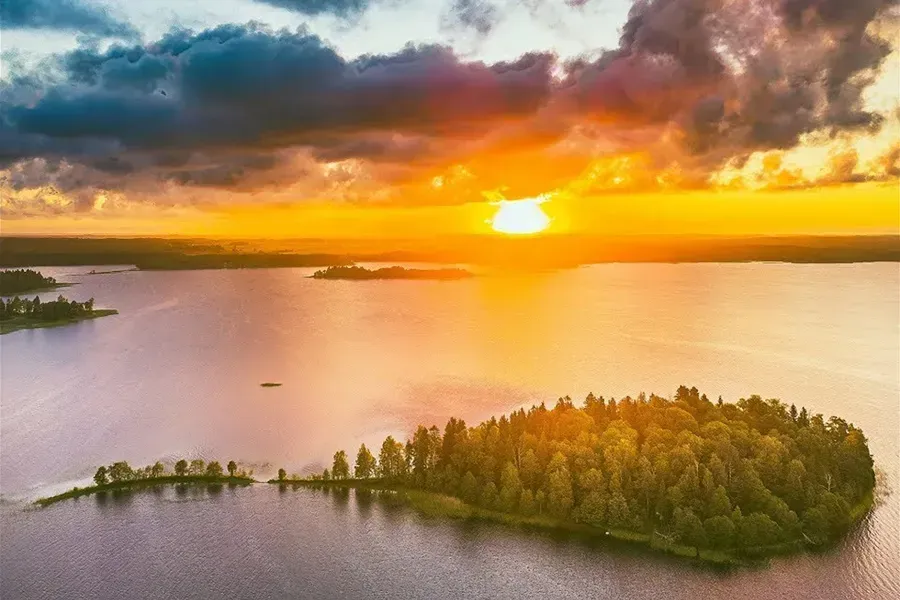
This is especially valuable in the Baltics because the experience is often about enjoying the transitions, watching landscapes shift from Lithuanian lakes and forests to Latvian countryside and finally Estonia’s medieval coastlines.
Local Guides Add Depth to the Experience
One thing many travelers underestimate is how much a knowledgeable guide can improve a trip. The Baltics have a rich and complicated history shaped by medieval kingdoms, Soviet occupation, independence movements, and strong cultural traditions. Without context, travelers may miss much of what makes these places truly meaningful.
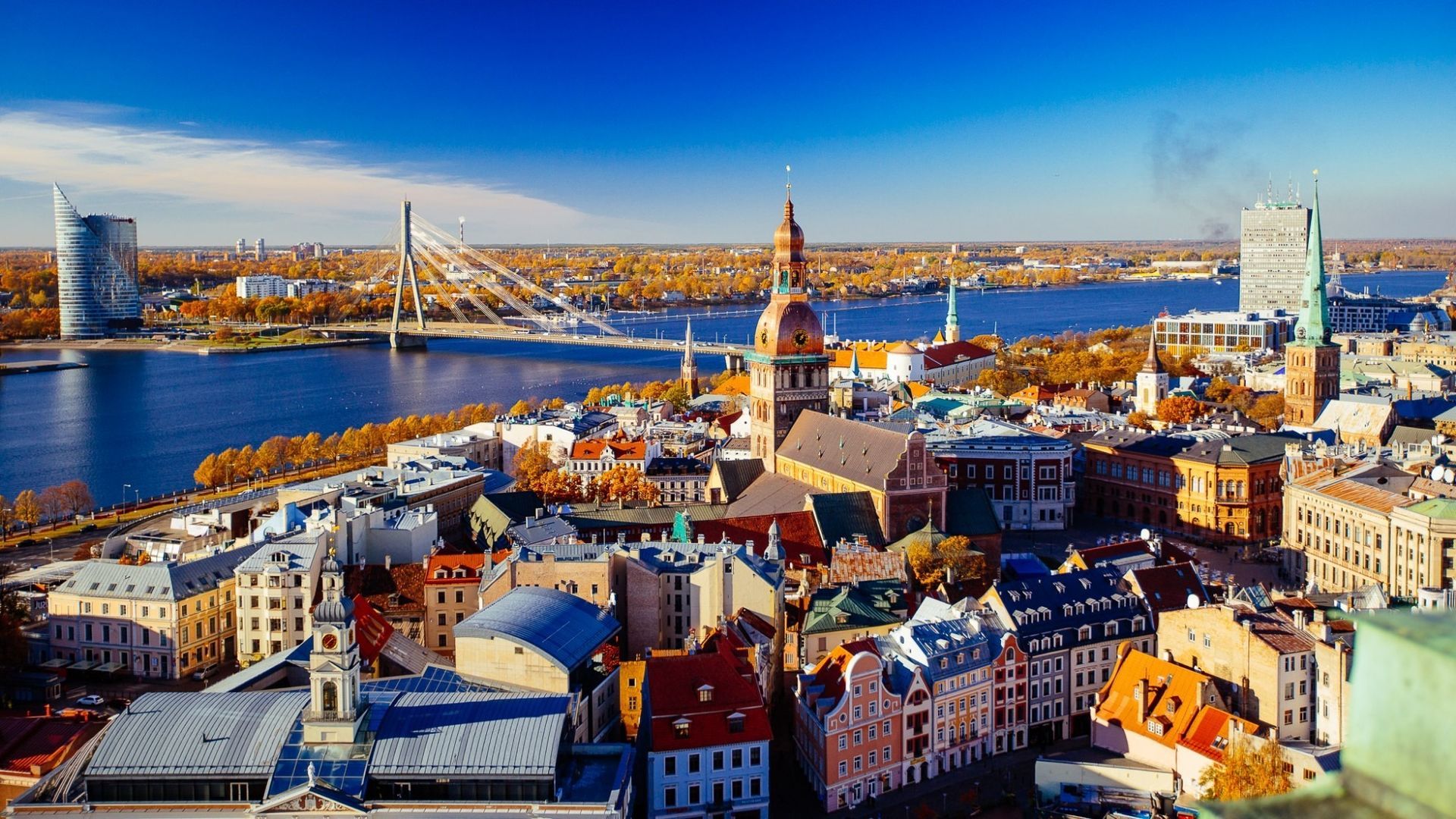
Good group tours provide guides who explain not just historical facts, but also local culture, traditions, architecture, and everyday life. Suddenly, cities like Riga or Tallinn feel much more alive and connected rather than simply beautiful places to photograph.
Guides also often introduce travelers to local food, hidden corners, and cultural insights they may never discover on their own. That added depth transforms the journey from simple sightseeing into a much more immersive experience.
You Can Relax More and Plan Less
Independent travel can sometimes feel like a constant decision-making process. Where should you eat? Which route should you take? Is this attraction worth visiting? Are you running behind schedule? Did you book the right hotel?
Over time, even exciting travel decisions can become mentally exhausting.
Group Baltic tours reduce that pressure significantly. Because the structure is already planned, travelers can settle into the experience rather than constantly managing it.
This slower mental pace fits the Baltics especially well because the region itself feels calm and unhurried. The less time you spend stressing over logistics, the more naturally you begin to enjoy the atmosphere around you. Many travelers are surprised by how refreshing it feels to simply wake up and focus on the day ahead instead of organizing every detail themselves.
Group Tours Often Include Hidden Gems
When planning independently, travelers usually focus on famous cities like Vilnius, Riga, and Tallinn. While those places are absolutely worth visiting, many of the Baltics’ most memorable experiences happen outside the capitals.
Group tours often include smaller destinations that travelers may otherwise skip, such as:
- Trakai in Lithuania
- Gauja National Park in Latvia
- Coastal villages
- Medieval countryside towns
- Forest retreats
- Local cultural experiences
These stops add variety and authenticity to the trip while helping travelers experience a broader side of the region. Sometimes, the places travelers remember most are the ones they had never even heard of before arriving.
Group Travel Can Feel More Social
Traveling through the Baltics independently can occasionally feel quiet, especially outside major cities. For solo travelers or people who enjoy shared experiences, group tours provide built-in social interaction.
You meet travelers from different backgrounds while sharing experiences, meals, and discoveries along the way. Conversations during bus rides, city walks, or dinners often become an unexpected highlight of the trip. At the same time, Baltic tours are usually relaxed enough that travelers still have personal space and free time when they want it.
For many people, group travel creates a balance between companionship and independence that makes the journey more enjoyable overall.
It’s Often More Cost-Effective Than Expected
Many travelers assume organized tours are always expensive, but that’s not necessarily true in the Baltics.
Because tour companies arrange transportation, hotels, and activities in bulk, group packages can sometimes offer surprisingly good value. Travelers also avoid unexpected costs related to navigation mistakes, last-minute bookings, or inefficient route planning. Additionally, Baltic countries themselves are generally more affordable than many Western European destinations, which helps keep tour pricing relatively reasonable.
For travelers who value convenience and time-saving, the overall value can be excellent.
The Baltics Are Perfect for Slower Group Travel
One reason group tours work especially well in the Baltics is that the distances are short and the atmosphere is naturally relaxed. You’re not spending endless hours rushing between major landmarks. Instead, the journey flows gradually from city streets to forests, coastlines, cafés, and small towns.
The pace feels manageable, which helps group travel feel less exhausting than it sometimes does in larger or more crowded destinations. This creates a travel experience that feels organized without feeling overly rushed or rigid.
Final Thoughts
Group Baltic tours offer something many travelers are searching for today, a way to experience multiple countries comfortably, smoothly, and without unnecessary stress.
By handling the logistics, transportation, accommodations, and planning, these tours allow travelers to focus on what actually matters: enjoying the journey itself. Whether you’re exploring medieval Old Towns, walking through forests, relaxing by the Baltic coast, or learning about the region’s fascinating history, the experience becomes much more enjoyable when you’re not constantly managing every detail.
And perhaps that’s what makes group Baltic travel so appealing. The Baltics themselves are calm, welcoming, and unhurried destinations, and traveling through them with less stress allows you to fully embrace that atmosphere.
Instead of worrying about the trip, you simply get to experience it, and that’s often what creates the most memorable journeys.
Contact us today to begin planning your unforgettable adventure:
- Call us at (800) 778‑9847
- Email: info@vytistours.com
- Visit: vytis-tours.com