Aukštaitija National Park Travel Guide (2026)
Reading Time: 9 minutes
If you’re planning a nature-focused escape in Lithuania, Aukštaitija National Park should be at the top of your list. Known as the country’s oldest national park, this region offers a rare combination of pristine lakes, dense forests, and traditional villages—making it one of the most rewarding destinations for travelers seeking both relaxation and exploration.
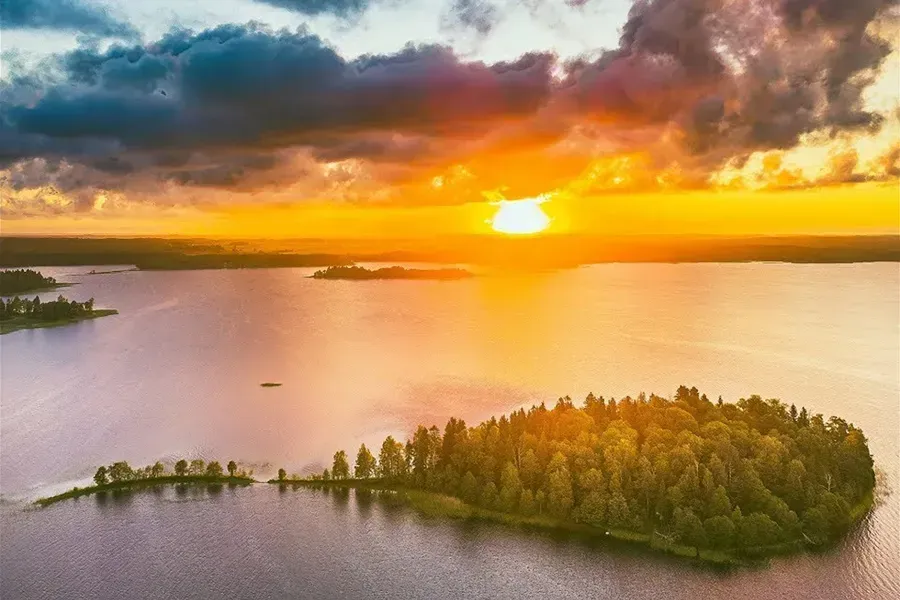
Unlike busier European nature spots, Aukštaitija delivers a quieter, more authentic experience. With over 100 interconnected lakes, scenic hiking trails, and cultural landmarks like wooden churches and ethnographic villages, it’s a destination where you can truly slow down and connect with nature. Whether you’re kayaking across calm waters, cycling through forest paths, or simply enjoying lakeside views, the park offers a refreshing contrast to city-based travel.
For travelers planning structured trips or exploring curated vacation packages, Aukštaitija National Park fits perfectly into a well-balanced itinerary. It’s also increasingly featured in premium immersive tours to the baltic states, thanks to its accessibility from Vilnius and its wide range of outdoor experiences.
In this comprehensive travel guide, you’ll discover the best things to do in Aukštaitija National Park, along with practical tips, itineraries, and insider advice to help you plan your visit efficiently. Whether you’re considering lithuania guided tours or organizing your own trip, this guide ensures you experience the very best of Lithuania’s natural landscape.
How to Reach Aukštaitija National Park, Lithuania?
Reaching Aukštaitija National Park is relatively easy in terms of distance—but logistically nuanced, because the park is spread across forests, lakes, and small villages rather than one single entry point.
The key to planning correctly is understanding this:
You don’t travel directly to the park—you travel to nearby gateway towns, mainly Ignalina or Palūšė.
Where Exactly Are You Going?
- The park is located about 100 km north of Vilnius
- The nearest main town is Ignalina
- The main visitor hub is Palūšė
By Car (Most Accurate & Recommended Option)
Driving is by far the best and most practical way to reach and explore the park.
Route:
- From Vilnius → take A14 highway toward Molėtai
- Then connect to Route 114 toward Ignalina / Palūšė
Travel time:
- ~1.5 to 2 hours from Vilnius
Professional insight:
If you’re planning a structured itinerary, a car is what turns this from a “visit” into a complete experience.
By Train
Train is the most reliable public transport option to reach the park region.
Route:
- Train from Vilnius → Ignalina
- Frequency: approx. every few hours
- Travel time: ~2 hours
What happens next:
From Ignalina, you must:
- Take a taxi (~5–10 min)
- Or a local bus (~10–30 min, limited frequency)
- Or cycle (~5 km depending on route)
Important:
Ignalina is only
~5 km from parts of the park, but not all attractions
By Bus
Buses connect Vilnius → Ignalina regularly:
- Travel time: ~2–2.5 hours
- Route passes through smaller towns like Pabradė and Švenčionys
Best for:
- while the bus takes slightly longer (~2 hours), it’s a great backup if train times don’t align with your schedule
- Those combining with lithuania budget tours
Best Things to Do in Aukštaitija National Park, Lithuania (Top Attractions & Activities)
Lake Tauragnas
Lake Tauragnas is not just another lake—it’s the deepest lake in Lithuania and one of the most peaceful spots in the park.
What to Expect:
Unlike the more visited lakes near Palūšė, Tauragnas feels wild and remote. The surrounding pine forests create a quiet, almost untouched environment that’s perfect if you want to escape crowds.
What You Can Do:
- Swim in exceptionally clean, deep water
- Kayak along long, open stretches of lake
- Relax at natural, undeveloped shores
How to Plan:
- Best visited by car (limited public transport access)
- Combine with nearby viewpoints or short forest walks
- Ideal as a half-day escape from busier areas
Traveler Tip: If your itinerary feels crowded, this is where you slow down and enjoy nature without distractions.
Museum of Ancient Beekeeping
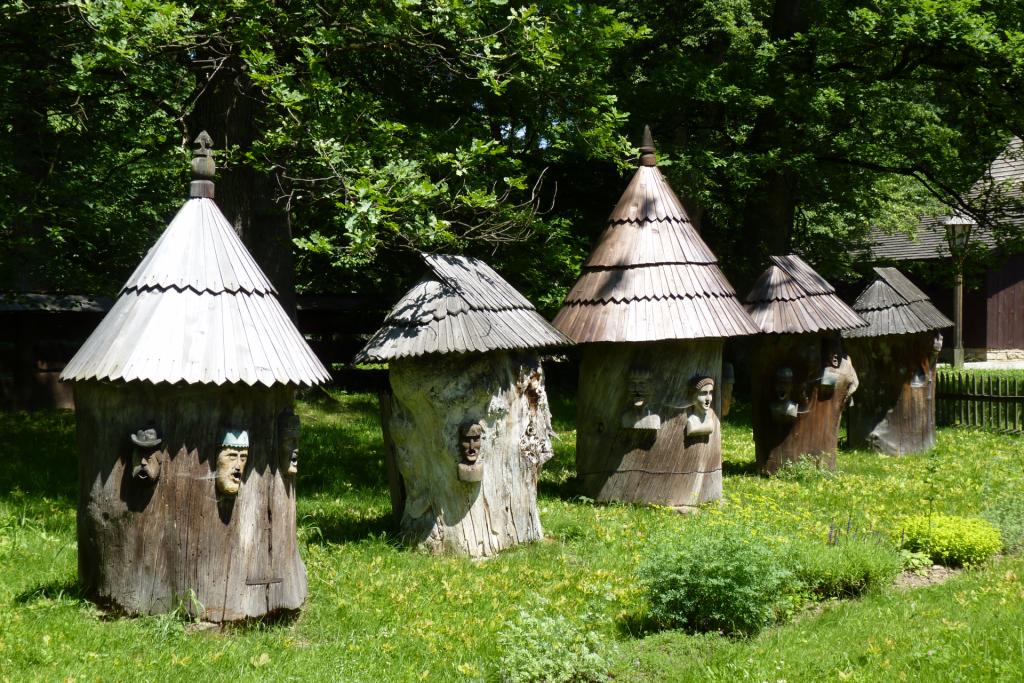
The Museum of Ancient Beekeeping is one of the most unusual and memorable experiences in the park.
What Makes It Special:
This isn’t a typical museum—it’s an open-air cultural site that explains how Lithuanians historically practiced forest beekeeping.
What You’ll See:
- Traditional wooden beehives carved into trees
- Exhibits on honey production and rituals
- Demonstrations of ancient techniques
How to Plan:
- Allocate 1–1.5 hours
- Combine with nearby hiking routes
- Great stop between Palūšė and Ginučiai
Why it matters: It adds depth to your trip—you’re not just seeing nature, you’re understanding
local traditions.
Šiliniškės Observation Tower
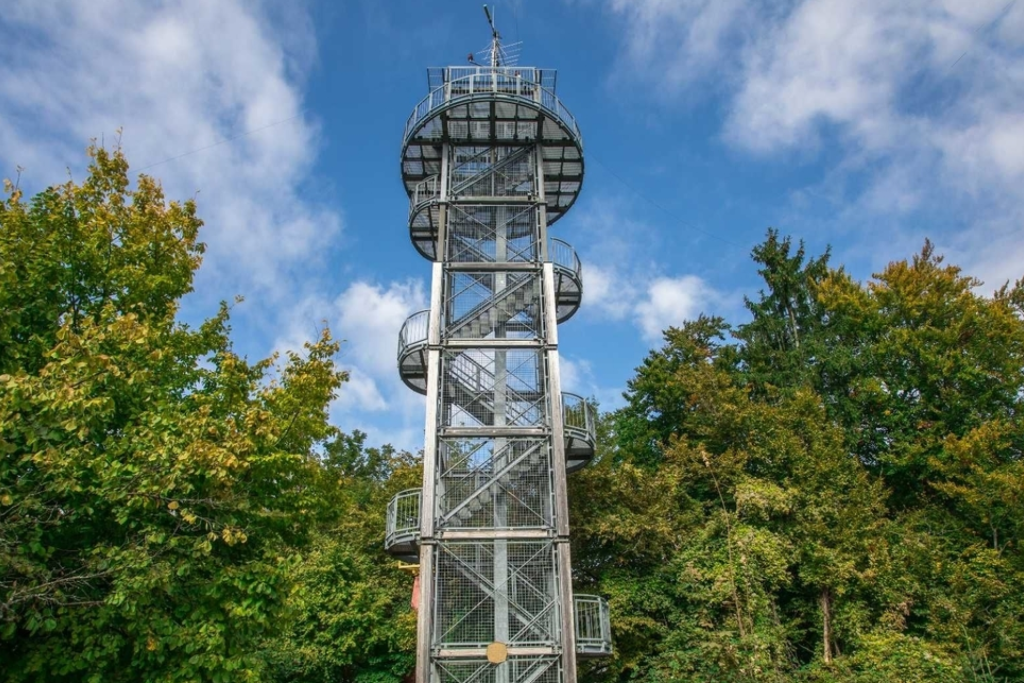
The Šiliniškės Observation Tower is one of the best places to understand the park’s geography.
What to Expect:
- A tall wooden tower with panoramic views
- Overlooks forests, lakes, and rolling terrain
What You Can Do:
- Climb for wide-angle photography
- Use it as a navigation point for nearby trails
- Combine with Ladakalnis Hill (very close)
How to Plan:
- Visit during clear weather for best visibility
- Spend around 30–45 minutes here
Traveler Tip: Come early morning or late afternoon for softer lighting and fewer visitors.
Ginučiai Watermill
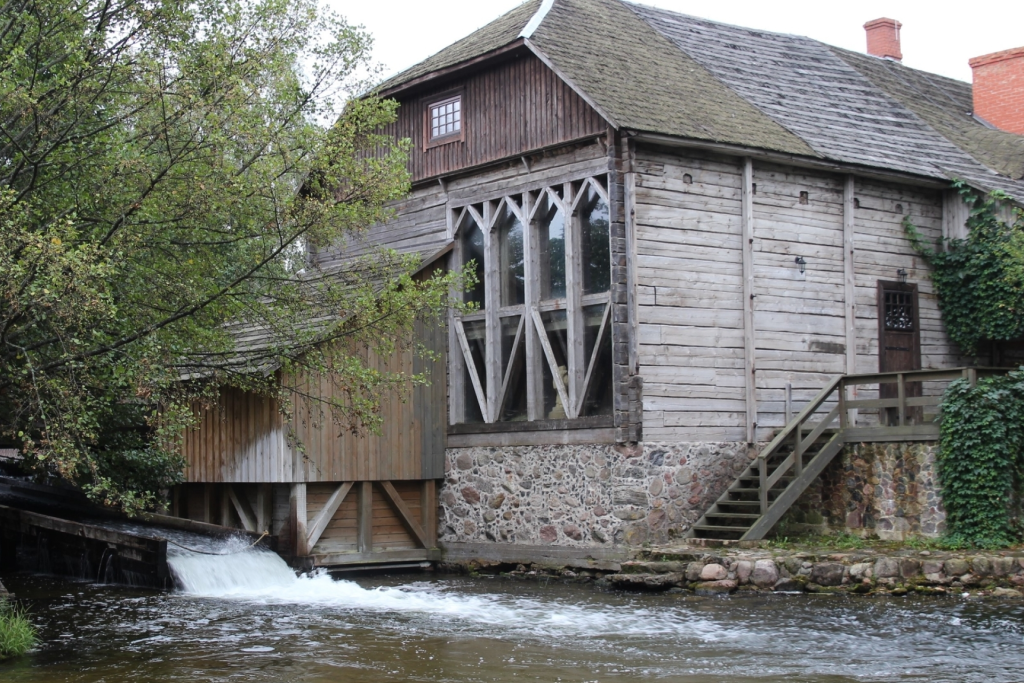
The Ginučiai Watermill is one of the most authentic historical sites in the park.
What Makes It Special:
- One of the few remaining working watermills
- Preserved with original 19th-century equipment
What You’ll Experience:
- Traditional grain milling systems
- Insight into rural Lithuanian life
- Quiet lakeside surroundings
How to Plan:
- Combine with Ginučiai Castle Hill (same area)
- Spend about 45–60 minutes
Best for:
Travelers interested in culture, history, and authentic local life.
Ginučiai Castle Hill
Right next to the watermill is Ginučiai Castle Hill.
What to Expect:
- An ancient hillfort used for defense
- Elevated viewpoint over Lake Linkmenas
What You Can Do:
- Short climb to the top
- Enjoy panoramic lake views
- Learn about Lithuania’s early history
How to Plan:
- Takes about 20–30 minutes to explore
- Perfect quick stop during your route
Traveler Tip:
Pair this with Ladakalnis for two different but complementary viewpoints.
Ladakalnis Hill
Ladakalnis Hill is the must-visit viewpoint in Aukštaitija.
What Makes It Unique:
- View of 6–7 lakes at once
- Sacred historical significance
What You Can Do:
- Climb a short forest path to the top
- Take panoramic photos
- Enjoy a peaceful, scenic break
How to Plan:
- Visit during sunrise or sunset
- Spend 30–45 minutes
Important:
This is one of the most photographed spots in Lithuania—don’t skip it.
Linkmenys Church
The Linkmenys Church offers a glimpse into Lithuania’s rural spiritual life.
What to Expect:
- Traditional architecture
- Peaceful village setting
Why Visit:
- Adds cultural balance to your nature-heavy itinerary
- Less touristy, more authentic
Best for:
Travelers who enjoy discovering hidden, local places.
Bird Village & Farm
The Bird Village experience is about connecting with nature and agriculture.
What You’ll Experience:
- Birdwatching in natural habitats
- Farm-based activities
- Local food and traditions
How to Plan:
- Ideal for families or relaxed travel days
- Combine with nearby villages
Traveler Tip: Visit in the morning when bird activity is highest.
Palūšė & Lake Lūšiai
Palūšė and Lake Lūšiai are the heart of the park.
What to Expect:
- Lakeside views
- Wooden church (one of the oldest in Lithuania)
- Kayak and bike rentals
What You Can Do:
- Start hiking or cycling routes
- Relax by the lake
- Take boat or kayak trips
How to Plan:
- Base yourself here if staying overnight
- Spend at least half a day
Hiking in Aukštaitija National Park!
Hiking in Aukštaitija National Park is not just about walking trails—it’s about moving through constantly changing landscapes: lakeshores, dense forests, open meadows, and traditional villages. What makes hiking here special is the variety within a single route—you rarely walk the same terrain for long.
Most trails are well-marked but still feel natural and untouched, making them perfect for travelers who want a balance between accessibility and wilderness.
Lake Ilgis Trail
The Lake Ilgis Trail is one of the simplest hikes in the park, but it’s ideal for easing into the landscape.
What the Experience Feels Like:
This is a forest-dominated trail, meaning you’re often walking under a canopy of trees with occasional glimpses of the lake rather than constant open views.
It’s peaceful, shaded, and rarely crowded—perfect if you want a calm start to your trip.
Practical Breakdown:
- Distance: ~4 km loop
- Difficulty: Easy
- Time needed: 1–1.5 hours
Who It’s Best For:
- First-time visitors
- Travelers with limited time
- Anyone looking for a relaxed nature walk
How to use it in your itinerary:
Do this on arrival day or as a light morning activity before exploring bigger routes.
Ignalina → Palūšė Trail
This route is more than just a hike—it’s a natural transition into the park.
What the Experience Feels Like:
Starting from Ignalina, you gradually leave behind urban elements and move into lakeside paths, forests, and small villages.
Along the way:
- You pass lakes like Pavlovinis and Paulakinis
- Walk through countryside areas like Gaveikėnai
- Eventually reach Palūšė, right by Lake Lūšiai
Practical Breakdown:
- Distance: ~8 km (one way)
- Difficulty: Easy to moderate
- Time needed: 2–3 hours
Why This Trail Matters:
This is one of the best ways to understand the geography of the park—how towns, lakes, and villages connect naturally.
Pro Tip:
If you don’t want to hike both ways, take a bus or taxi back from Palūšė.
Palūšė → Ginučiai Trail
If you only do one serious hike in Aukštaitija, make it this one.
What the Experience Feels Like:
This trail is a complete journey through the park’s highlights.
Starting from Palūšė, you:
- Walk along Lake Lūšiai’s shoreline
- Pass wooden sculptures and forest paths
- Move through villages like Meironys
- Climb up to Ladakalnis Hill
- Finish at Ginučiai village near the watermill
What makes it special is how the scenery keeps changing—forest, lakes, open fields, and cultural stops all in one route.
Practical Breakdown:
- Distance: ~16 km
- Time: ~5 hours
- Difficulty: Moderate
What You’ll See Along the Way:
- Lakeside walking paths
- Traditional wooden sculptures
- Forest trails and gravel roads
- Historic mounds and viewpoints
Real traveler insight:
The trail is mostly flat, making it physically manageable despite the distance, and ideal for a full-day immersive experience.
How to plan it:
- Start early (around 8–9 AM)
- Carry water and snacks
- Consider staying overnight in Ginučiai
Šiliniškės Ridge Route
This is the most visually rewarding hike in the park.
What the Experience Feels Like:
The trail follows a raised ridge, meaning you get:
- Elevated views of lakes
- Forested slopes on both sides
- Constant changes in perspective
You’ll pass through:
- Ladakalnis Hill
- The Beekeeping Museum
- Šiliniškės Observation Tower
- Villages like Stripeikiai
Practical Breakdown:
- Distance: ~15–16 km
- Time: ~5–5.5 hours
- Difficulty: Moderate
Best Time to Visit Aukštaitija National Park
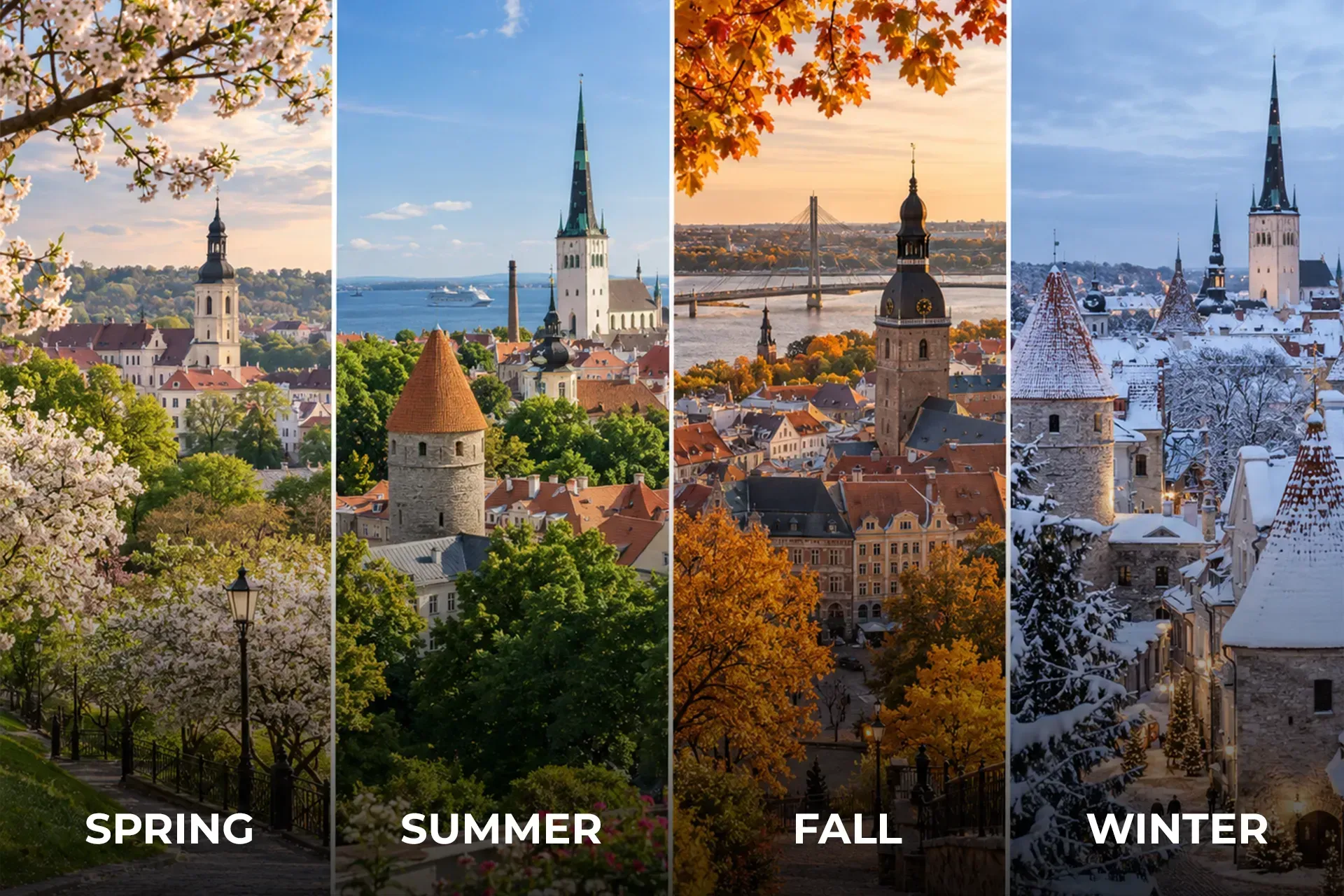
The best time to visit Aukštaitija National Park depends on the kind of experience you’re looking for. The park has a typical Northern European climate, with four distinct seasons—each offering something different for travelers.
Spring (April to June)
Spring is one of the most refreshing times to visit Aukštaitija National Park. As the snow melts, the forests turn lush green, and the entire landscape feels alive again.
- Temperatures are mild and comfortable for hiking
- Wildlife becomes more active, making it great for nature lovers
- Fewer tourists compared to summer
This is a great time if you prefer quiet trails, fresh scenery, and peaceful exploration.
Summer (July to August)
Summer is the most popular time to visit and for good reason—it’s when the park is at its most vibrant and accessible.
- Warm weather perfect for swimming, kayaking, and hiking
- Long daylight hours allow full-day exploration
- All facilities, rentals, and tours are fully operational
However, it’s also peak season, so expect more visitors and slightly higher prices. This is the best time if you want to experience everything the park has to offer.
Autumn (September to November)
Autumn transforms the park into a colorful landscape of reds, oranges, and golds.
- Cooler temperatures ideal for hiking
- Beautiful fall foliage across forests and lakes
- A popular time for mushroom and berry picking
This season is perfect for travelers who enjoy scenic photography, crisp air, and a slower pace.
Winter (December to February)
Winter offers a completely different experience, turning Aukštaitija into a quiet, snow-covered wilderness.
- Frozen lakes and snow-covered forests create stunning views
- Opportunities for cross-country skiing and winter walks
- Easier to spot animal tracks in the snow
While colder and less accessible, it’s ideal if you’re looking for a peaceful, off-season escape with a unique atmosphere.
Practical Travel Tips When Visiting Aukštaitija National Park
Essential Packing Tips
Packing correctly is critical because Aukštaitija is a nature-first destination.
Must-Have Items:
- Comfortable hiking shoes → trails can be uneven or muddy
- Waterproof jacket → weather can change quickly
- Layered clothing → temperatures fluctuate throughout the day
- Insect repellent → lakes and forests mean mosquitoes
- Reusable water bottle & snacks → limited shops inside the park
Pro Tip: Even in summer, mornings and evenings can feel cool—always carry a light layer.
Navigation & Planning Tips
- Download offline maps (Google Maps or Maps.me)
- Trails are marked, but signage may be limited in remote areas
- Plan routes in advance—don’t improvise long hikes
Pro Tip: Start your day early to maximize daylight, especially outside summer.
Safety Tips for Travelers
Aukštaitija is generally very safe, but nature always requires awareness.
Important Tips:
- Stick to marked trails when hiking
- Be cautious near water and slippery surfaces
- Keep distance from wildlife
- Watch for ticks in forested areas
Weather can shift quickly—always check forecasts before heading out.
Food & Supplies
- Restaurants and cafés are mainly in:
- Palūšė
- Ignalina
- Limited options deeper inside the park
Smart move: Carry snacks and water, especially for long hikes.
Accommodation & Booking Tips
- Book early during July–August peak season
- Options include:
- Guesthouses
- Rural homestays
- Campsites
Important Rules & Etiquette
The park is protected, so follow basic guidelines:
- Stay on designated paths
- Do not litter or damage natural areas
- Respect restricted zones (especially wildlife reserves)
Responsible travel ensures the park remains preserved.
Final Thoughts
Šilutė is a hidden gem in Lithuania—where serene rivers, rich culture, and local cuisine combine for an authentic travel experience. Whether you’re strolling along the Šyša River, exploring historic streets, tasting traditional dishes, or venturing into the Nemunas Delta, this charming town offers something for every traveler.
Plan your visit during late spring to early autumn for the best weather, stay central for convenience, and let yourself slow down to truly enjoy its relaxed, authentic vibe. With careful planning, your trip to Šilutė can be both seamless and unforgettable.
Contact Vytis Tours Now!
At Vytis Tours, we’ve been the trusted journey partner for Baltic States Tours across Estonia, Latvia, and Lithuania for over 32 years—curating immersive experiences that blend iconic sights with authentic cultural encounters. Whether you’re longing to explore medieval castles, experience Lithuanian traditions, or enjoy the pristine landscapes of the Baltic coast, our expertly designed Baltic vacation packages offer flexibility, local insight, and seamless service.
Contact us today to begin planning your unforgettable adventure:
- Call us at (800) 778‑9847
- Email: info@vytistours.com
- Visit: www.vytis-tours.com