Day Trip to Kemeri National Park, Latvia: Complete Travel Guide!
Reading Time: 12 minutes
If you’re planning vacations to latvia and looking for a unique nature escape, Kemeri National Park is one of the best day trips you can take from Riga. Located just under an hour away, this remarkable park offers a completely different side of Latvia—one defined by vast wetlands, mysterious bog landscapes, and rich biodiversity.
Unlike traditional European parks, Kemeri National Park is famous for its raised bogs, mineral springs, and diverse ecosystems that support rare wildlife and migratory birds. Spanning over 358 square kilometers, it is one of the country’s most important protected areas and a must-visit for nature lovers exploring the Baltics.
What makes it especially appealing for travelers is how easy it is to explore in a single day. Whether you’re planning independently or browsing tours to Latvia, the park offers well-maintained trails, scenic boardwalks, and unforgettable viewpoints—most notably the iconic Great Kemeri Bog Boardwalk, where you can walk across an ancient peatland landscape that feels almost otherworldly.
For those considering guided tours or building a Baltic itinerary, this destination delivers a perfect mix of accessibility, raw natural beauty, and unique experiences—all without requiring extensive hiking or planning.
In this guide, you’ll find a complete, easy-to-follow day trip itinerary to help you experience the very best of Kemeri National Park efficiently and memorably.
Where Is Kemeri National Park & How to Get There?
If you’re plotting your Latvia vacations and wondering how to fit Kemeri National Park into a day trip, the first thing to know is its location and accessibility—because that directly influences how you plan your itinerary and travel logistics.
Location:
Kemeri National Park is situated in western Latvia, just south of the Gulf of Riga and near the resort town of Jūrmala. It lies approximately:
- 50–55 km (about 31–34 miles) west of Riga, Latvia’s capital city.
- Around 25 km (15 miles) from Jūrmala, the popular Baltic seaside destination.
This proximity makes the park one of the easiest and most rewarding nature escapes from Riga, perfect for travelers seeking a taste of wild landscapes without long transfers or overnight stays.
By Car
Driving remains the most convenient way to reach Kemeri National Park, especially if you’re carrying gear like cameras or planning to explore multiple trails.
- From Riga, take the A10 highway west.
- The drive typically takes 45–60 minutes, depending on traffic.
- Signposted turning points direct you to trailheads and parking areas near the Great Kemeri Bog Boardwalk entrance.
Pros:
- Most direct route
- Freedom to explore multiple park sites
- Ideal for families or sunrise photography
Tips:
- Parking is often free at designated trailheads, but spots can fill up on weekends and peak tourist seasons.
By Train
If you prefer public transport, taking the train from Riga Central Station is a popular option:
- Trains run regularly from Riga to Ķemeri Station, and the trip takes around 40–60 minutes.
- From Ķemeri Station, the park entrance isn’t immediately next door—you’ll need to walk, cycle, or take a local taxi to reach the main nature trails. Most visitors report a 2.5 to 4 km walk from the station to the Great Kemeri Bog Boardwalk starting point.
Pros:
- Cheap (often just a few EUR one-way)
- Scenic countryside views
- Great choice for solo travelers or backpackers
Cons:
- A longer walk from the station can add 30–60 minutes to your hike
- Basic transport schedules (check in advance)
Insider Tip:
If you’re not carrying heavy gear, renting a bike near the train station can cut your transfer time and add a fun element to the journey.
By Bus
Buses from Riga to Kemeri town are also available, generally running along the same western corridor as the trains:
- The journey typically takes around 50–70 minutes depending on stops and traffic.
- From the bus stop, you’ll walk or take local transport toward the park entrance.
This option can be helpful during peak hours when trains are crowded—but always check schedules ahead of time.
Taxi or Private Transfers
For convenience and comfort, especially if you’re short on time or traveling in a group, booking a private transfer is an excellent choice:
- Pickup from Riga hotels or Riga Airport straight to the park entrance.
- Fastest travel time with no waiting around for public transport.
This is ideal for families, luxury travelers, or those fitting a day trip into a tight schedule.
Which Option Should You Choose?
| Travel Type | Best For | Time | Cost |
|---|---|---|---|
| Car Rental / Drive | Flexibility & lots of stops | 45–60 min | €15–€30+ |
| Train + Walk/Bike | Budget travelers & backpackers | 60–90 min | €2–€10 |
| Bus | Alternative public transport | 50–70 min | €3–€8 |
| Private Transfer / Taxi | Comfort & zero planning | 40–60 min | €50+ |
Note: Entrance to the park and trails like the Great Kemeri Bog Boardwalk are typically free of charge, though specific guided activities may have fees.
Perfect Day Trip Itinerary for Kemeri National Park
Get an Early Start: Sunrise at the Bog
Recommended Arrival Time: 7:30 – 8:30 AM
Begin your day before the crowds arrive. Whether you’re staying in Riga or nearby Jūrmala, plan to reach the park early. Driving or taking the train from Riga to Kemeri Station takes around 45–60 minutes. From the station, it’s a pleasant 2–4 km walk or a short bicycle ride to the bog trail entrance (rentals available near the station).
This early start will literally let you watch nature wake up. The mist rising off the bog under the sunrise creates a hauntingly beautiful atmosphere that photographers and nature lovers adore. The wooden boardwalk trail through bogland—the heart of the park—is already open and peaceful at this hour.
Great Kemeri Bog Boardwalk Trail
Suggested Time: 8:30 AM – 10:30 AM
Begin your trek on the Great Kemeri Bog Boardwalk, the park’s most famous attraction and arguably the best thing to do here. This well-maintained wooden boardwalk winds deep into the ancient raised bog, allowing you to experience one of Europe’s unique peatland ecosystems up close—without getting your feet wet.
Routes & Views
- Short loop (approx. 1.4 km): Ideal if you’re short on time or prefer a gentle introduction.
- Full loop (approx. 3.4 km): Best for explorers who want the full immersive experience. Expect the hike to take about 1–2 hours.
What You’ll See Along the Way
- Sphagnum Moss Fields: Soft, vivid carpets of moss that define the bog ecosystem.
- Bog Pools & Dark Water Patches: Perfect reflective surfaces for photography.
- Carnivorous Sundew Plants: Tiny but fascinating flora adapted to nutrient-poor bog soils.
Observation Tower
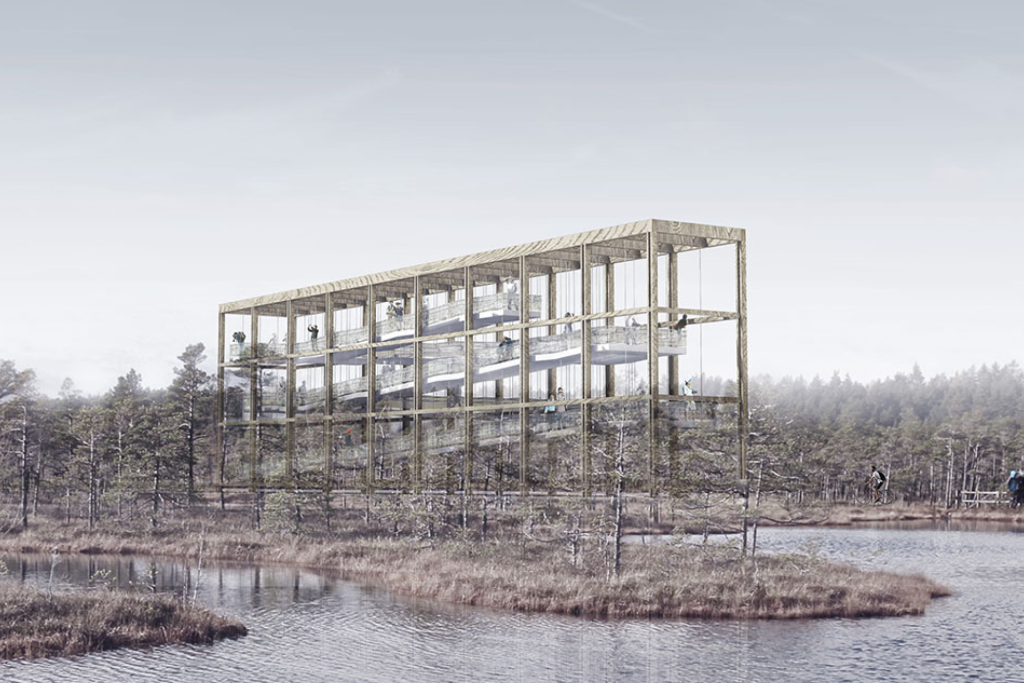
About halfway through the long loop, you’ll find an observation platform offering panoramic views of the bog’s expansive tapestry of moss, pools, and bog pine trees—not to be missed.
Tip: Early morning light creates warm contrasts and shadow play—ideal for photos. Wear sturdy shoes as parts of the boardwalk can be slippery, especially after rain.
Explore Birdwatching Trails at Lake Kanieris
Suggested Time: 10:45 AM – 12:15 PM
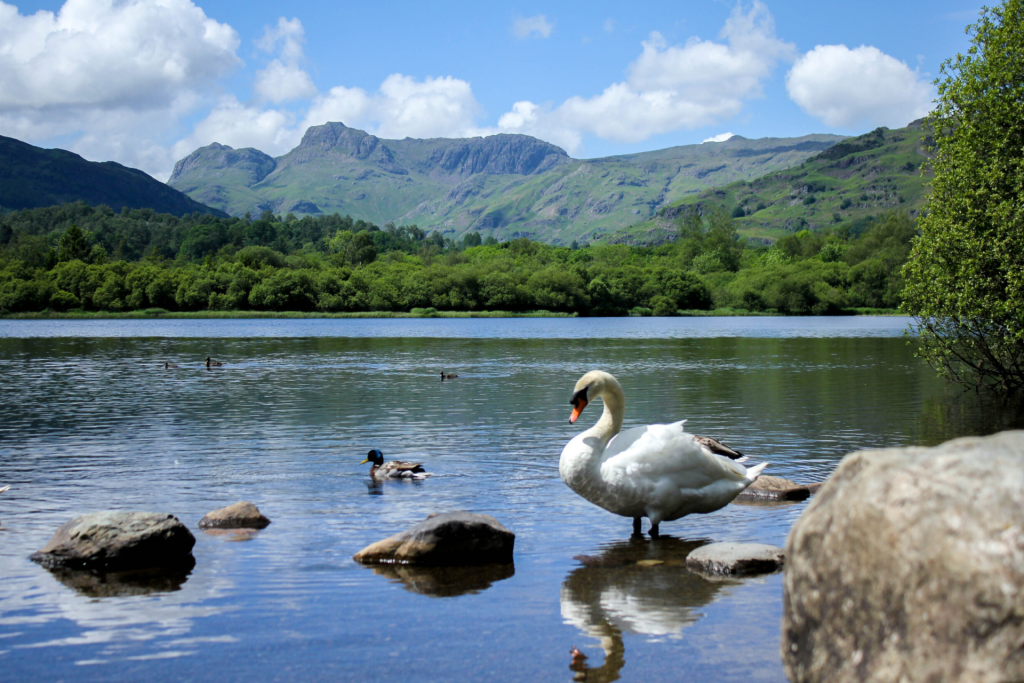
After your bog walk, head to Lake Kanieris, one of Kemeri National Park’s most important bird habitats. The lake and surrounding wetlands are internationally recognized as significant bird areas, attracting migratory species and resident birds year-round.
What Makes Lake Kanieris Special
- Bird Observation Towers: Strategically placed platforms let you scan the shallow waters for waterfowl and waders.
- Juniper Groves & Forest Paths: Gorgeous woodland trails bring you closer to nature beyond open wetlands.
- Cranes & Waterbirds: With luck, you’ll spot cranes feeding at the water’s edge or soaring overhead.
Insider Tip: Binoculars dramatically enhance your experience here, especially in migration seasons (spring and early fall). The shallow waters make it easier to see birds up close from the boardwalks and towers.
Forest Trails & Reed Boardwalks
Suggested Time: 12:15 PM – 1:30 PM
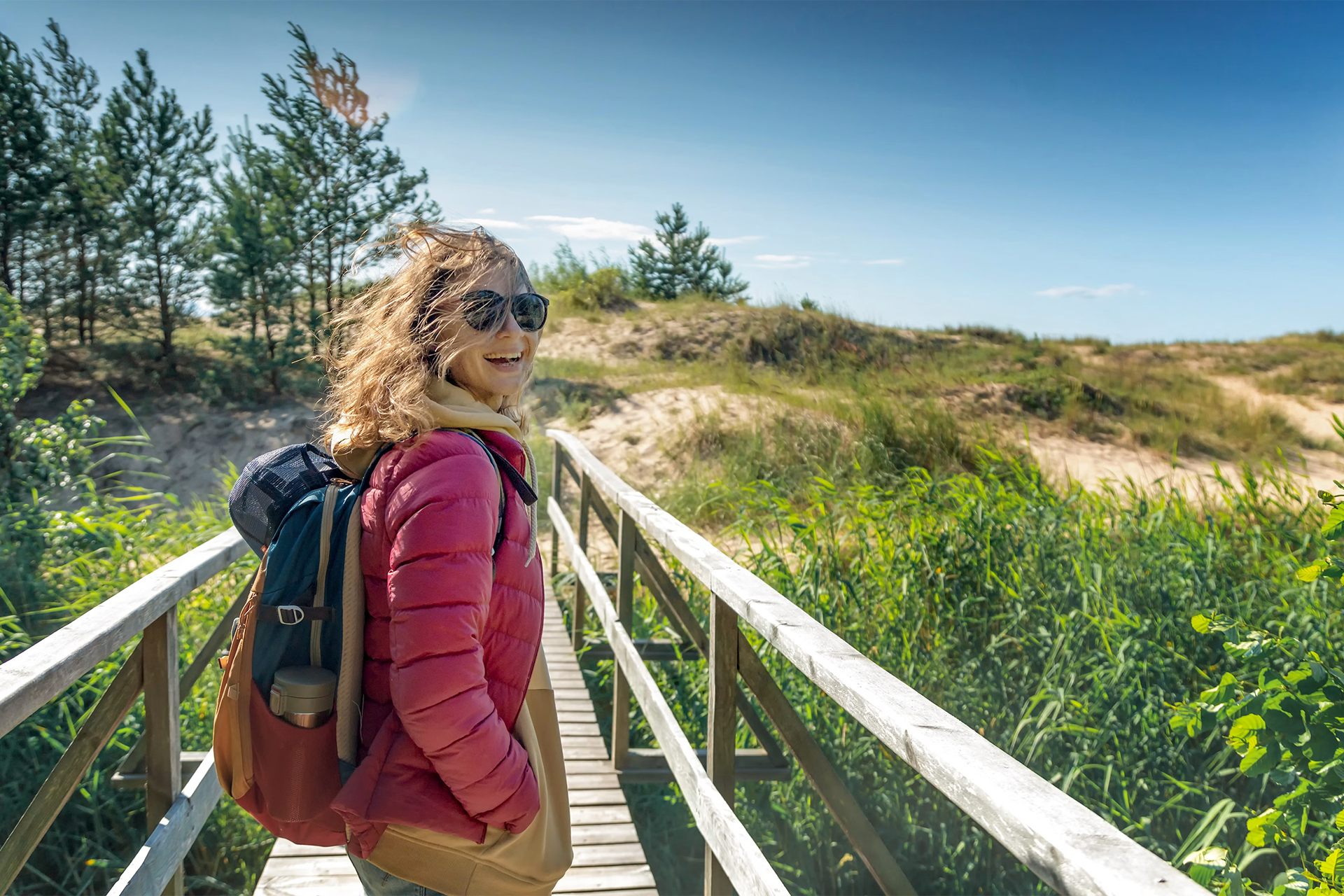
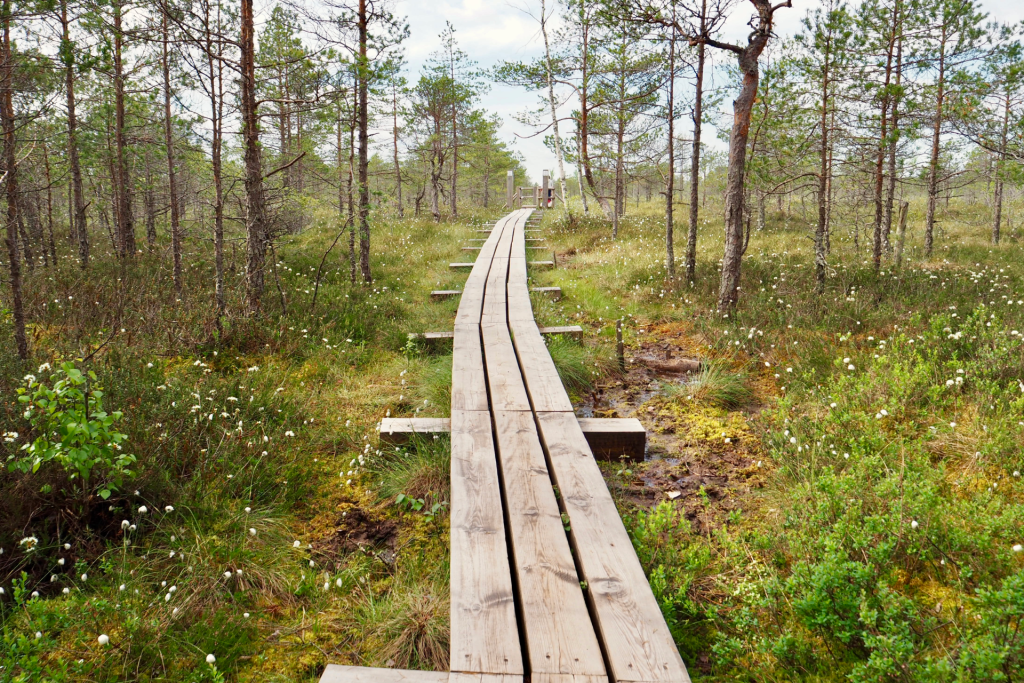
After two hours of walking in open bogland, cool off in the shaded forest trails and reed boardwalks that crisscross the park. These quieter paths take you through ancient pine and birch forests, offering variety in scenery and a different type of ecosystem.
Highlights
- Green Dune Trail: A scenic cycling and walking route through forest and dune ridge terrain.
- Reed Boardwalk: A peaceful trail through tall reeds beside smaller lakes and marshy areas.
- Forest Flora: Spot mosses, fungi, and woodland birds away from the open bog.
Best Tip: Pack insect repellent and a water bottle—these trails are shaded but can still be humid in summer months.
Lunch Break: Picnic or Local Flavors
Suggested Time: 1:30 PM – 2:30 PM
After a morning exploring Kemeri’s core attractions, take a break. You have a few enjoyable lunch options:
Picnic in Nature
Bring a packed lunch to a scenic spot near Lake Kanieris or a quiet forest glade. Many seasoned travelers say a picnic here is one of the best meals of the trip—simple sandwiches, fruit, and local snacks become memorable when set against serene wilderness.
Local Cafés & Smokehouses
Nearby towns such as Kemeri village and Ragaciems have small cafés and food stalls. Particularly worth trying is local smoked fish—a Baltic specialty that pairs perfectly with outdoor dining.
Visit Sulfur Springs & Historic Spa Area
Suggested Time: 2:30 PM – 3:15 PM
Most visitors come for nature, but Kemeri also has an interesting historical culture. The park’s mineral-rich sulfur springs were famous in the 18th and 19th centuries, attracting European visitors seeking healing waters—much like a spa retreat.
The old spa area maintains some of that historical charm, with remnants of traditional pavilions and information signage explaining how people once flocked here for wellness treatments. It’s a nice contrast to the wilderness trails and gives cultural context to the natural features you’ve explored.
Optional Afternoon Adventure: Cycling on the Green Dune Trail
Suggested Time: 3:15 PM – 4:30 PM
If you still have energy after lunch, explore the Green Dune Trail on foot or by bicycle. This scenic route—once an ancient coastal dune ridge—offers a different perspective on the park’s varied landscapes, from forests to dune-like terrain.
Bicycles add mobility and make it possible to cover more ground in a short time. Rental options near Kemeri village and the train station make this accessible even for day-trippers.
Golden Hour & Sunset Views
Suggested Time: 4:30 PM – 6:00 PM (Seasonal)
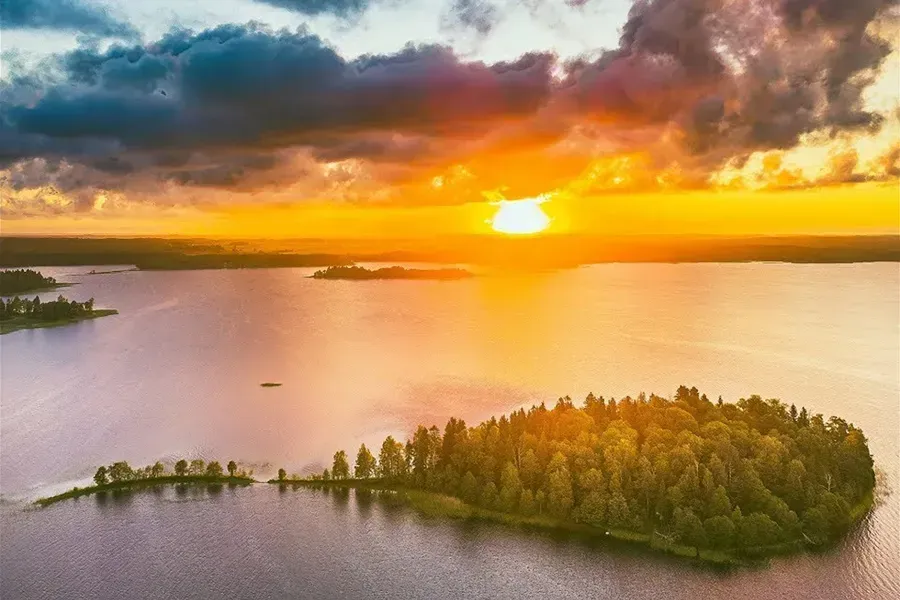
Return toward the bog area or Lake Kanieris for golden hour. The soft, warm light transforms the bog pools and woodland edges into ethereal landscapes—perfect for photography or simply soaking up your final moments in the park.
Best viewing spots: Observation towers, boardwalk vantage points, and lakeside benches.
Total Estimated Time: 8–10 Hours
| Time Slot | Activity |
|---|---|
| 7:30–8:30 | Travel & Arrival |
| 8:30–10:30 | Great Bog Boardwalk |
| 10:45–12:15 | Lake Kanieris & Birdwatching |
| 12:15–1:30 | Forest & Reed Trails |
| 1:30–2:30 | Lunch |
| 2:30–3:15 | Sulfur Springs & Spa Area |
| 3:15–4:30 | Green Dune Trail |
| 4:30–6:00 | Golden Hour Views |
| (Total may vary seasonally) |
What to Pack for Your Day Trip to Kemeri National Park?
Packing the right gear and essentials can make or break your experience exploring Kemeri National Park. This diverse natural area combines wetland boardwalks, wooded trails, lakeside paths, observation points, and open bogs — so being prepared ensures you stay comfortable, safe, and ready to fully enjoy every activity included in your day trip itinerary.
Here’s a complete, detailed list of items every visitor should bring along — whether you’re hiking independently or joining guided tours to Latvia.
Comfortable Footwear
Kemeri’s terrain varies from wooden boardwalks that cross raised peat bogs to forest paths and meadow trails. Sturdy, closed‑toe walking or hiking shoes are essential. Boardwalk planks can become slippery in wet conditions or after rain — proper traction on your footwear increases safety and comfort.
- Waterproof or water‑resistant shoes help keep feet dry if you encounter wet patches
- Comfortable soles reduce foot fatigue on mixed surfaces
Clothing Layers for Changing Weather
Latvia’s weather can shift quickly, even in summer: clear skies can turn into cool winds near wetlands, or light rain can move in unexpectedly.
Recommended clothing:
- Lightweight, breathable base layer
- A warm mid‑layer (like a fleece) — mornings and evenings can feel cool
- A waterproof, windproof jacket — essential for sudden rain
- Quick‑dry trousers or activewear
Avoid cotton as it stays wet longer and can become uncomfortable if conditions are damp.
Water & Snacks
There are no reliable food or drink stations in the park’s wild areas, and your day itinerary may involve several hours of walking and exploration.
Pack:
- A reusable water bottle (at least 1–1.5 litres per person)
- Easy snacks: energy bars, fruit, sandwiches
Staying hydrated is especially important when walking the Great Kemeri Bog Boardwalk or longer forest trails.
Insect Protection
The combination of wetlands, reed trails, and forests means insects — especially mosquitoes and midges — can be active in warmer months.
Bring:
- Insect repellent (DEET or natural alternatives)
- Optional: lightweight long sleeves and socks
- Head net (optional, but handy in peak bug season)
Sun Protection
Even though Kemeri is rich in shade from forests, much of the Great Kemeri Bog Boardwalk and lakeside paths are exposed, offering limited cover.
Essentials:
- Sunscreen (SPF 30+)
- A hat or cap
- Sunglasses
This protects your skin and eyes during mid‑day hikes and photography stops.
Camera / Smartphone & Accessories
Kemeri National Park offers incredible photographic opportunities — misty bog scenes, reflective lakes, reed boardwalks, wildlife, and unique plant species like carnivorous sundews.
Tips:
- Extra batteries or power bank (cold weather can drain batteries faster)
- Waterproof case or protective pouch
Don’t forget your camera or smartphone charger for the return trip — you’ll want to capture sunrise and golden hour lighting.
Navigation & Information Tools
Some park trails are clearly marked, but others — especially lesser‑known forest paths or reed trails — may not have extensive signage.
Useful items:
- Offline maps app (Google Maps / Maps.me)
- Printed map or notes with main trail names and landmarks
- A park guidebook or notes from your itinerary
Even if you’re following a guided tour, it helps to understand the layout yourself for optional side paths and observation points.
Personal Comfort Essentials
These items make the experience more pleasant and help you stay prepared for the unexpected:
- Small first‑aid kit (plasters, antiseptic wipes)
- Hand sanitizer and tissues — facilities may be limited
- Light backpack or daypack for carrying your supplies
- Binoculars — especially useful at birdwatching spots like Lake Kanieris observation towers
Optional Items for Extra Comfort
Depending on the season and your interests, consider these extras:
- Bike lock – if you plan to cycle the Green Dune Trail or other forest paths
- Picnic mat or blanket for lakeside lunch
- Waterproof bag or cover — useful in case of light rain
- Notebook or sketchbook — excellent for nature journaling
Safety & Seasonal Preparations
Although Kemeri National Park is generally safe and well‑visited, a few practical considerations help ensure a smooth day:
- Check the weather forecast before heading out
- Wear reflective or bright clothing if you arrive before sunrise
- Let someone know your expected return time if exploring independently
- Be aware that boardwalks can be slippery after rain and in cooler seasons
Travel Tips & Insider Advice for Visiting Kemeri National Park
Visit at the Right Time of Day
Early morning isn’t just for photographers — it’s actually one of the best times to explore:
- Great Kemeri Bog Boardwalk is quieter at dawn, often blanketed in mystical morning fog that drifts over bog pools.
- Wildlife — including birds and small mammals — tends to be more active in the early hours and just before sunset.
- Temperatures are cooler, which makes walking the trails more pleasant — especially in summer.
Avoid midday crowds by heading out before 9:00 AM where possible, particularly during July and August when Latvia’s peak tourism season fills the trails.
Trail Conditions Get Slippery
Because the park’s most iconic route — the Great Kemeri Bog boardwalk — runs over wetland terrain, the walking surface can become slippery in damp or rainy conditions.
Insider safety advice:
- Wear sturdy footwear with good traction — hiking shoes or trail runners are ideal.
- After rain, move more slowly and deliberately, especially on wooden planks where moss can make surfaces slick.
- Some visitors have noted that the trail narrows in parts, so give way to others where needed.
Navigation Tips Without a Car
For those taking public transport, here’s practical advice that often doesn’t make it into guidebooks:
- Train to Ķemeri Station is straightforward from Riga — it’s inexpensive and comfortable.
- From the station, most visitors will need to walk or cycle to the main trailheads — about 3–4 km on foot, with clear signposts and nearby paths.
- Some routes to the boardwalk trail pass sections of road without sidewalks — walk carefully and stay visible to drivers.
- If cycling, rentals are available locally and cut travel time from the station to the nature paths.
Bring Binoculars & Wildlife Guides
Kemeri’s wetlands and forests are rich in birdlife and biodiversity. The park’s Lake Kanieris birdwatching towers and forest loops are excellent for spotting waterfowl and woodland species.
Insider wildlife tips:
- Bring binoculars — sightings include cranes, herons, eagles, and other migratory species depending on the season.
- Early spring and early autumn are peak migration periods with higher bird activity.
- Keep a respectful distance from wildlife, and avoid feeding animals — they thrive best undisturbed.
Offline Maps & Navigation Backups
Although many park trails are signposted, some side routes like the reed boardwalks or forest trails can be confusing without a map:
- Download offline maps (e.g., Google Maps or Maps.me) before you set out.
- If you prefer physical navigation, pick up a trail map at visitor centres or lodging in Jūrmala.
- Navigational apps with GPS keep you on track even when phone signal is patchy near forests or wetlands.
This preparation avoids unplanned detours and gives you confidence to explore lesser‑known paths.
Bring Plenty of Water & Snacks
Facilities are limited on the trails — there are no food stalls out in the wetland trails or forest paths.
Energy tips:
- Pack at least 1–1.5 litres of water per person.
- Snacks like energy bars, nuts, and fruit keep energy up.
- If planning a picnic, lakeside benches and forest clearings make scenic lunch spots.
Staying fueled and hydrated ensures you can enjoy every stop — from boardwalks to lakeside views — without fatigue.
Respect the Environment
Kemeri is part of Latvia’s protected natural heritage and a designated Natura 2000 site, meaning ecosystems here are protected for biodiversity and conservation.
Eco‑friendly travel pointers:
- Carry reusable bottles and avoid single‑use plastics.
- Stay on designated paths — fragile bog plants and mosses are easily damaged.
- Don’t disturb wildlife or vegetation.
These small habits keep the park pristine for future visitors and preserve delicate habitats.
Plan for Breaks & Mood Moments
The most memorable part of a nature trip isn’t always the trail itself — it’s the moments in between:
- Rest at lakeside benches overlooking Kanieris Lake and watch waterfowl glide by.
- Sit near the shoreline forest trails and listen to birdsong.
- Pause at historic sulphur spring sites and imagine 19th‑century wellness travelers here centuries ago.
These slower moments make the day trip feel complete, not rushed.
Final Thoughts
A day trip to Kemeri National Park is more than just a walk in nature — it’s an immersive journey through bogs, forests, lakes, and historic spa sites that capture the essence of Latvia’s natural beauty. Whether you choose an expert latvian guided tour company like Vytis Tours for expert insights or a DIY adventure for complete freedom, following a well‑planned itinerary ensures you experience every highlight without missing a thing.
With the right preparation — from packing essentials to timing your visit — your day at Kemeri can be memorable, inspiring, and effortless, leaving you with stunning landscapes, wildlife encounters, and a deep appreciation for one of Latvia’s most iconic national parks.
Contact Vytis Tours Now!
At Vytis Tours, we’ve been the trusted journey partner for Baltic States tours across Estonia, Latvia, and Lithuania for over 32 years—curating immersive experiences that blend iconic sights with authentic cultural encounters. Whether you’re longing to explore medieval castles, experience Latvian traditions, or enjoy the pristine landscapes of the Baltic coast, our expertly designed Baltic vacation packages offer flexibility, local insight, and seamless service.
Contact us today to begin planning your unforgettable adventure:
- Call us at (800) 778‑9847
- Email: info@vytistours.com
- Visit: www.vytis-tours.com